William James Oliver MCPHEE
Eyes - grey, Hair - light brown, Complexion - fair
William & Allick McPhee – into the attack together
Can you help us identify Will?
Will’s body was never found after the Battle of Fromelles and there are no records of his burial.
A mass grave was found in 2008 at Fromelles, a grave the Germans dug for 250 Australian soldiers they recovered after the battle. As of 2024, 180 of these soldiers have been able to be identified via DNA testing.
Will may be among these remaining 70 unidentified men. There is still a chance to identify him — but we need help. We welcome all branches of his family to come forward to donate DNA to help with his identification, especially those with roots in the Melbourne area and Castlemaine, Victoria.
See the DNA box at the end of the story for what we do know about his family.
If you know anything of contacts for Will, please contact the Fromelles Association.
Early Life
William James Oliver McPhee, known as Will or Bill, was born on 15 June 1885 in Brunswick, Victoria, the second son of Richard McPhee and Ann Eliza Johnston. He was baptised on 24 July 1885 at Christ Church, Brunswick. Allick McPhee, his younger brother, was born in 1892 and would later serve alongside him in the 32nd Battalion.
Children of Richard and Ann Eliza McPhee:
- Richard John Valentine McPhee (1883–1957) married Ellen Mary McIver; served with the 37th Battalion, wounded 1917
- William James Oliver McPhee (1885–1916) served with the 32nd Battalion, killed in action at Fromelles
- Norman Donald McPhee (1887–1916) served with the 8th Battalion, killed in action near Messines
- Alexander Hay McPhee (1889–1891) died in infancy
- Allick McPhee (1892–1947) served with the 32nd Battalion, severely wounded at Fromelles
- Lilian McPhee (1894–1983) married Edward Loughton
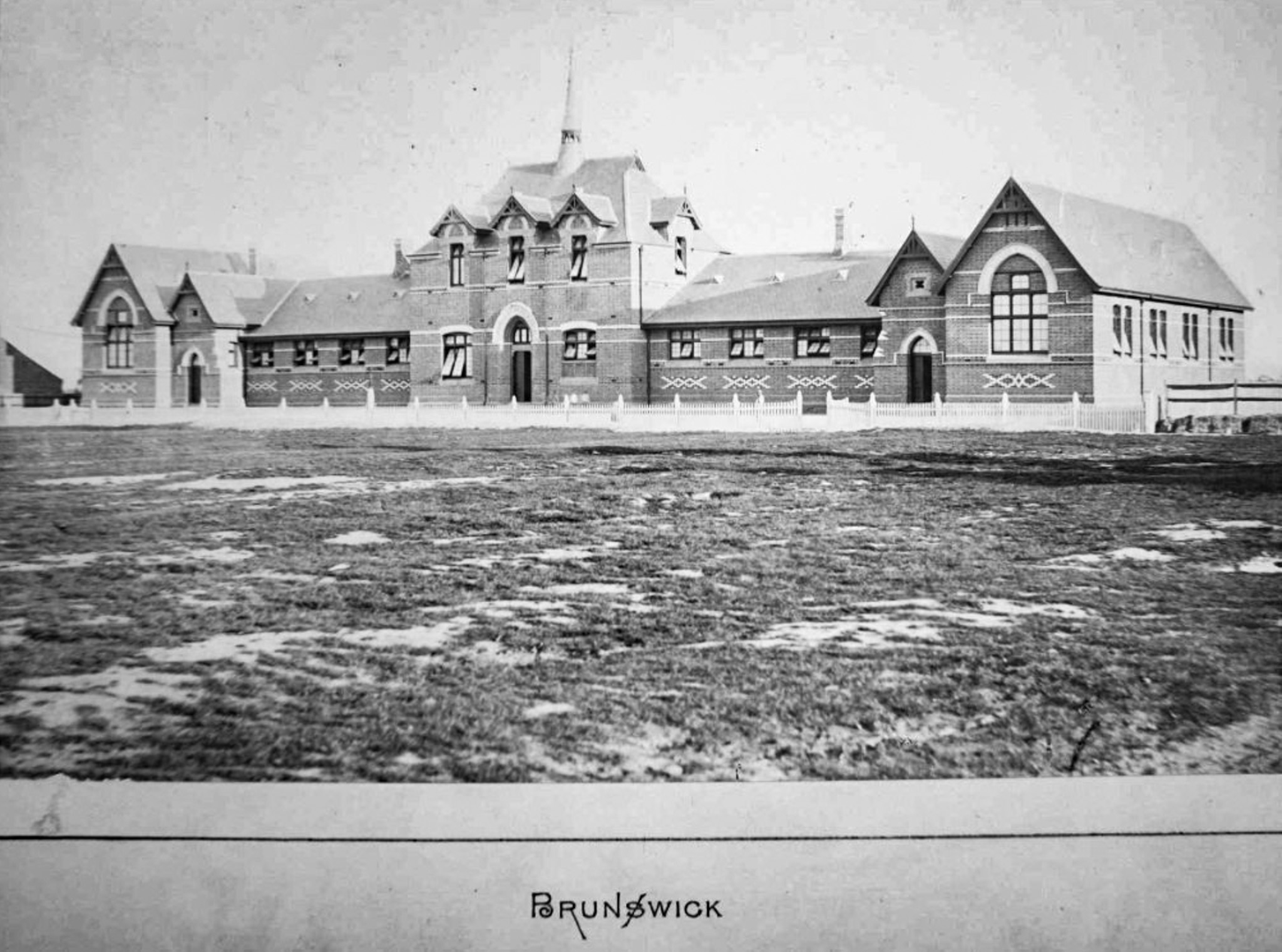
Will attended Brunswick State School and later worked as a box maker, a trade also followed by his brother Norman.
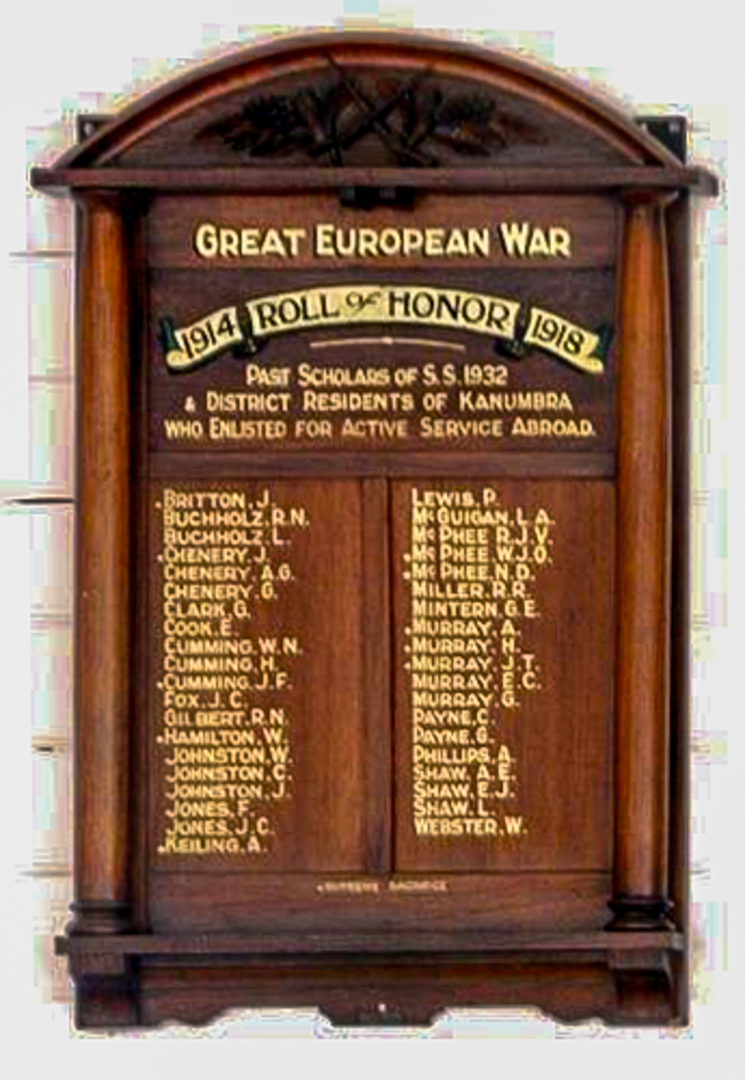
It is possible that at some stage he lived or worked in the rural Yark/Kanumbra area, 140 km north of Melbourne, as Will’s name, along with two of his brothers, appears on the Yarck Kanumbra State School No 1932 and District Roll of Honor.
In 1910, Will married Alicia Amanda Langdon. They made their home in West Brunswick and had three children. Children of William and Alicia McPhee:
- Alma Alicia Edna McPhee (1910–1977)
- Lillian May McPhee (1911–1993)
- Clarence McPhee (1913–1915)
Before the full impact of the war reached the McPhee family, letters home still carried hope. In April 1916, Will’s brother Norman wrote from France:
“France, 20/4/16.
Dear Parents,
Just a card to cheer you up and to let you know I have not forgotten you though thousands of miles apart… It makes one's heart ache… Dear mother, I wish you many happy returns of the day… I hope I will be able to present you personally with a present on your next birthday…
With love to all, I remain your loving son.”
Enlistment in Melbourne and in Adelaide
Will McPhee was the first of the four McPhee brothers to enlist in the AIF. On 8 May 1915, he enlisted in Melbourne and was assigned to the 2nd Reinforcements of the 22nd Battalion. His brothers soon followed. Norman (3870) and Allick (3390A) both enlisted in July 1915, joining the 8th and 14th Battalions respectively, while their eldest brother Richard (956) enlisted in February 1916 and joined the 34th Battalion. Letters in Will’s military file indicate that at the time of his enlistment, he and Alice were going through a difficult period in their relationship, and their young son Clarence, known as Willie, had ongoing health issues.
From the correspondence Alice sent to the military, she believed that Will’s place was at home, supporting her and their three very young children. She wrote imploring the authorities to “stop my husband going away to war.”:
“I am not in the best of health. I have a weak heart… and my baby has been delicate since birth. The doctor did not expect him to live… I have had a lot of trouble with him and will for my sake see what you can do for me. I don’t want him to know I tried to stop him…
My husband suffers terrible with his ears but he won’t give in… he told them that his ears were all right because he wants to go… Doctor said he would rather walk about with his pockets full of dynamite than suffer what he would suffer…
I have not been able to rest or sleep at night… my home is nothing without my husband… only for my darling children my end would soon come.”
Initially, the Army replied:
“as your husband has volunteered for military service, it is regretted that your application [for his discharge] cannot be granted”
However, Alice persisted and contacted a Federal Member of Parliament, which led to Will being discharged. Just six days later, Will was at Keswick Barracks in Adelaide, re-enlisting under the name “William James.” He declared himself unmarried, gave his occupation as labourer, and named his sister, Lilian Loughton of West Brunswick, as his next of kin. The section allocating a portion of his pay to a wife and children was crossed out. Will entered Mitcham Camp and was assigned to the newly formed 32nd Battalion in August 1915.
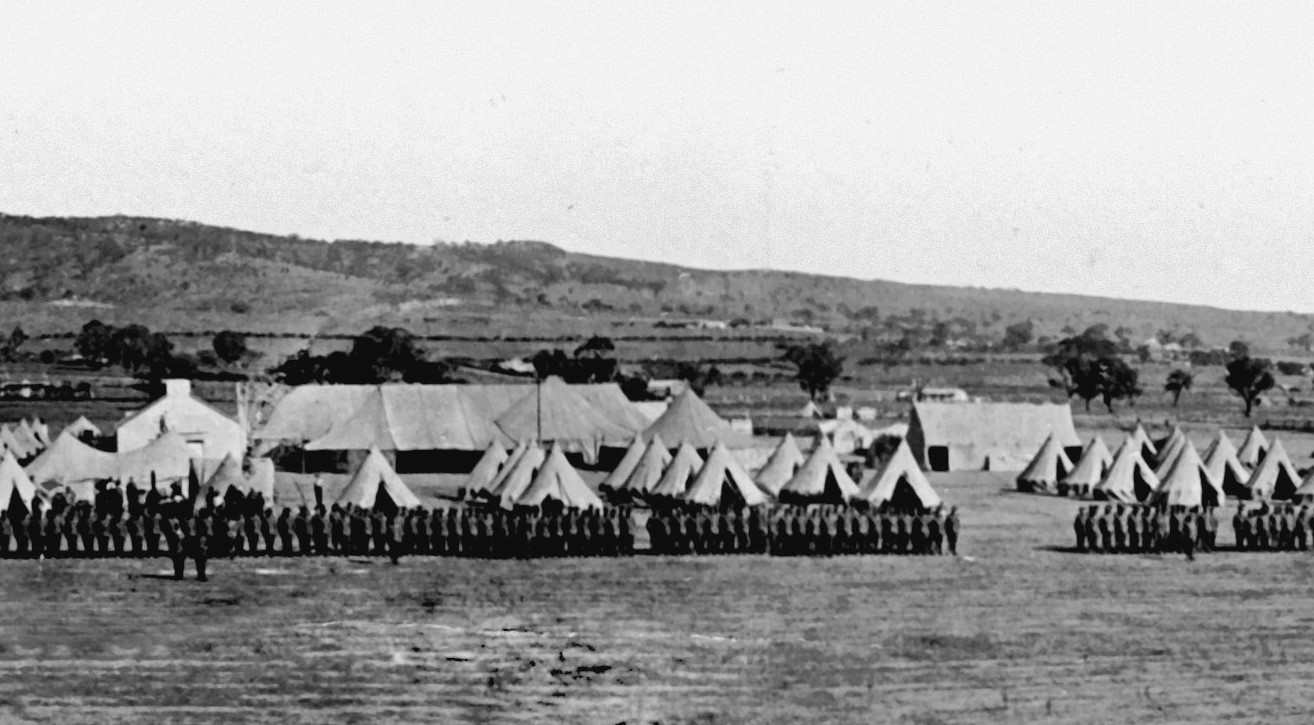
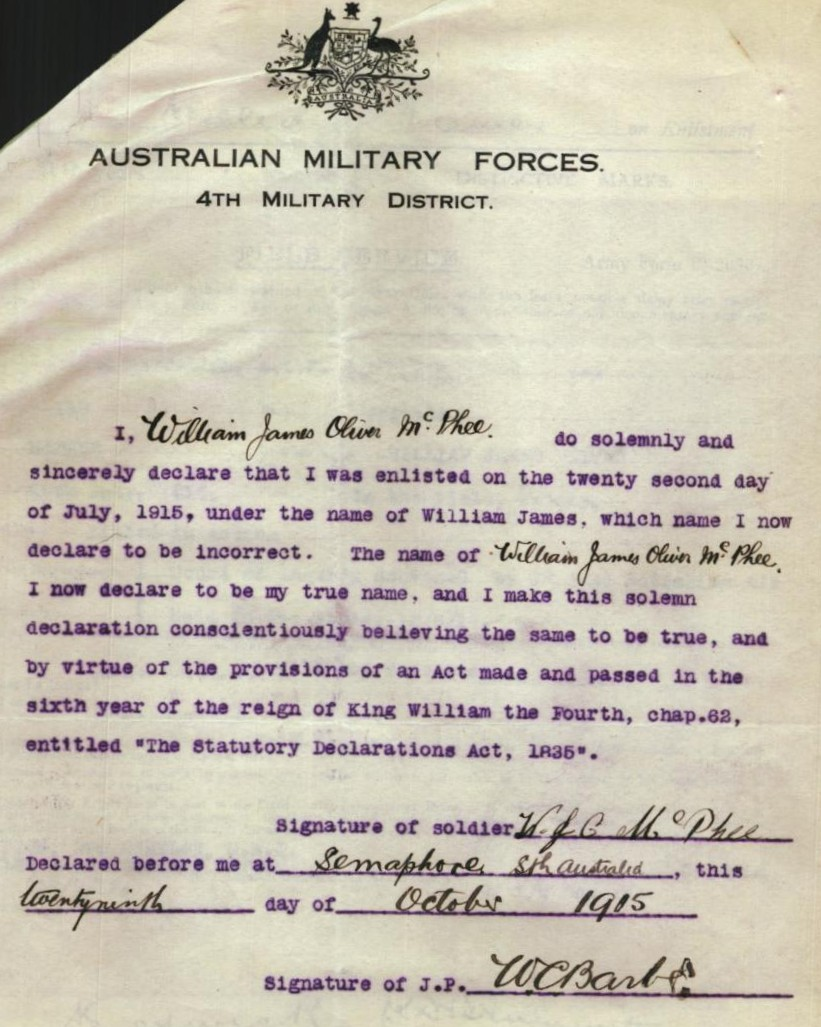
Meanwhile, Allick, who had enlisted in Melbourne with the 14th Battalion also set sail for Egypt where they would be reunited. Before the 32nd Battalion departed for Egypt on 18 November 1915, Will and Alice re-established contact. On 29 October, as the reality of departure approached, Will declared his true identity and formally recorded Alice as his next of kin, ensuring his pay would be directed to his wife and children.
Tragically on 5 December 1915, just over two weeks after Will left Australia, Clarence, (known as Willie), aged 1 year and 9 months, died in the Children’s Hospital in Melbourne.
Off to War
On 18 November 1915, Will embarked with the 32nd Battalion from Outer Harbor, South Australia, aboard HMAT A2 Geelong (the transport section having departed ten days earlier on HMAT A13 Katuna). As reported in The Adelaide Register:
“The 32nd Battalion went away with the determination to uphold the newborn prestige of Australian troops, and they were accorded a farewell which reflected the assurance of South Australians that that resolve would be realised.”
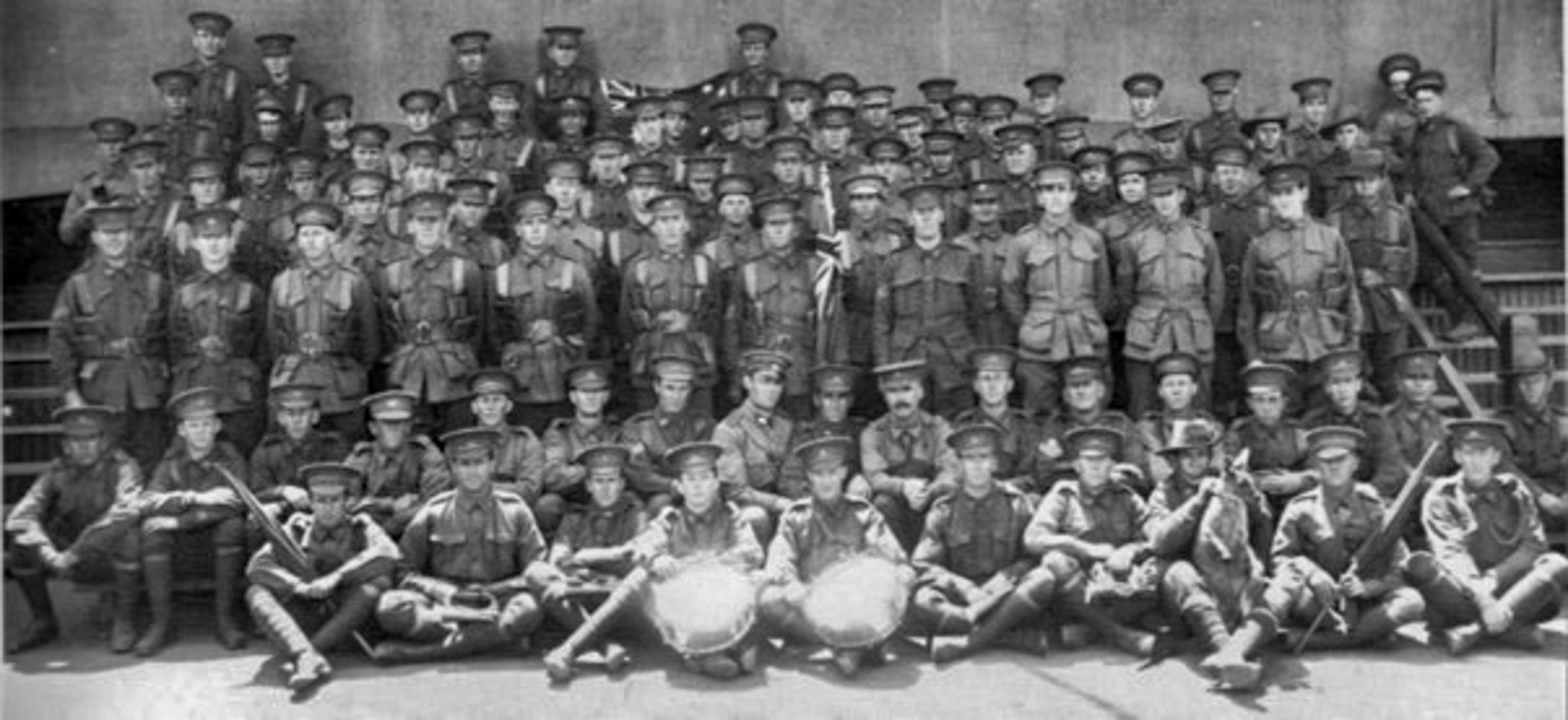
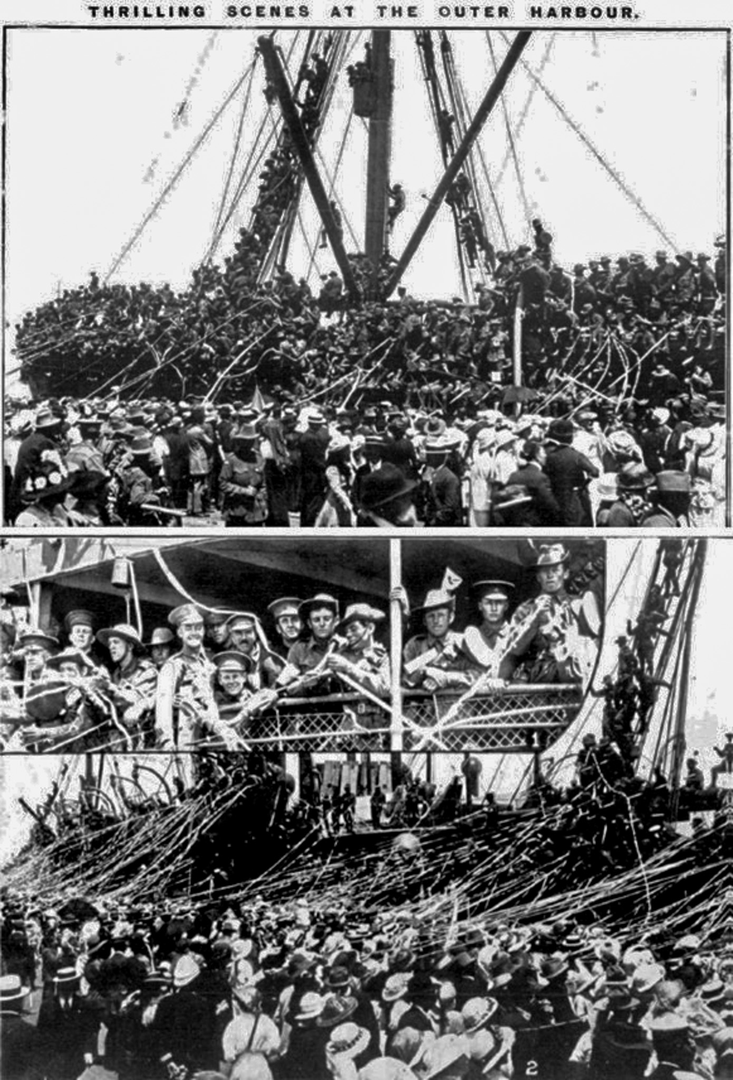
The battalion arrived in Suez on 14 December 1915 and moved to El Ferdan just before Christmas. A month later they marched to Ismailia and then to the major camp at Tel-el-Kebir, where they remained through February and most of March. Tel-el-Kebir, about 110 kilometres northeast of Cairo, held some 40,000 troops, including Gallipoli veterans and newly arrived reinforcements from Australia. There next movements took them to Duntroon Plateau and then to Ferry Post, where they trained and helped guard the Suez Canal until the end of May. Their final posting in Egypt was at Moascar. Conditions were harsh.
One soldier recorded being “sick up to the neck of heat and flies,” noting the scarcity of water during long marches through the sand and describing the food as “dog biscuits and bully beef.”
Source: AWM C2081789 – Diary of Theodor Milton Pflaum, 1915–1916
Despite this, there were lighter moments, including swimming, mail from home, and visits to local sights. During their time in Egypt, the battalion was also inspected by H.R.H. the Prince of Wales. Allick officially transferred to the 32nd Battalion on 24th April 1916, no doubt to be beside his brother as both were part of A Company. After six months in Egypt, the battalion embarked for France in mid-June 1916. Sailing from Alexandria on the Transylvania on 17 June, they arrived at Marseilles on 23 June before entraining for a three-day journey north to Steenbecque:
The people flocked out all along the line and cheered us as though we had the Kaiser as prisoner on board!!
“The change of scenery in La Belle France was like healing ointment to our sunbaked faces and dust filled eyes.”
From there, the battalion marched to Morbecque, about 30 kilometres from Fleurbaix, in what was known as the “Nursery Sector” — a relatively quiet area where newly arrived troops were introduced to trench warfare. The quiet did not last long. The 32nd Battalion moved into the front line on 14 July, and within days Will and Allick were in the trenches for the first time, only weeks after arriving in France. Will’s brother Norman, serving with the 8th Battalion, had been in the sector shortly before their arrival. Within days, the brothers would go into battle together.
The Battle of Fromelles
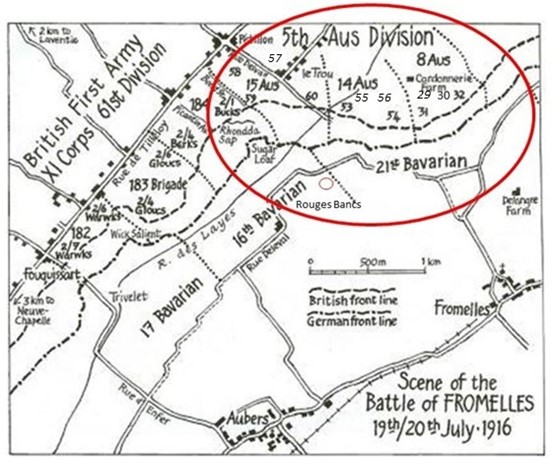
On 17 July 1916, the 32nd Battalion reconnoitred the trenches and began cutting passages through the barbed wire in preparation for an attack, which was delayed due to the weather. D Company’s Lieutenant Sam Mills wrote home with confidence:
“We are not doing much work now, just enough to keep us fit—mostly route marching and helmet drill. We have our gas helmets and steel helmets, so we are prepared for anything. They are both very good, so a man is pretty safe.”
The overall plan was to use brigades from the Australian Fifth Division to conduct a diversionary assault on the German trenches at Fromelles. The 32nd Battalion was positioned on the extreme left flank, with only about 100 metres of No Man’s Land separating them from the German lines. Their role was particularly dangerous — not only advancing, but also protecting the exposed left flank from German counterattack. On the morning of 18 July, A Company — including brothers Will and Allick McPhee — moved into the front line with C Company to relieve B and D Companies.
The following day, all companies assembled for the attack. At 5.15 PM on 19 July, the Germans opened a heavy artillery bombardment. At 5.53 PM, the Australians went over the parapet. Will and Allick advanced together with A Company in the first waves.
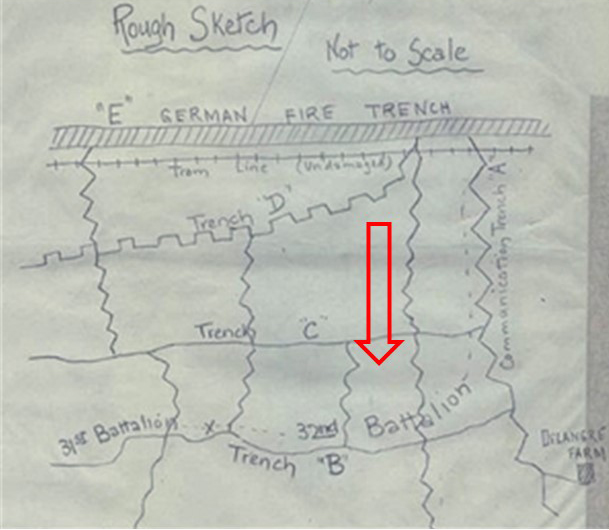
They crossed No Man’s Land under intense fire and reached the German front line. By 6.30 PM, the battalion had secured the enemy’s first trench system (Trench B), described in the war diary as:
practically a ditch with from 1 to 2 feet of mud and slush at the bottom.
Writing home weeks later, Allick described the conditions they had endured:
“…the fire that Willie and I were under you would not think a rat could live under, but still we can both tell the tale.”
Despite the initial success, the position quickly became untenable. Confusion in artillery coordination led to Australian troops being shelled by their own guns, while machine-gun fire from the left flank caused heavy casualties. By 8.30 PM, the left flank was under intense bombardment with high explosives and shrapnel. Orders were received that the captured trenches were to be held at all costs. Fighting continued through the night. Ammunition and grenades ran low, and the men were subjected to fire from multiple directions, including from Delangre Farm behind them. In the early hours of 20 July, the Germans launched a strong counterattack from the left, bombing their way into the trenches. Given the earlier advances, rear positions had been left thinly held.
The Germans were able to regain these trenches and envelop the Australians. At 5.30 AM, they attacked from both flanks in force:
“The enemy swarmed in and the retirement across No Mans’ Land resembled shambles, the enemy artillery and machine guns doing deadly damage.”
During the fighting, Allick was wounded and evacuated from the line, suffering a gunshot wound to his left leg.
Source: NAA: B2455, Allick McPhee – First AIF Personnel Dossiers 1914–1920 .
He later wrote of that moment when he last saw his brother Will:
“We were together in the bombing section of A Coy 32nd Battn on the day of 19 July 1916. Our position was the extreme left and we held the bay joining the Oxfords and the Bucks. They went forward from there, we moved to the middle of the fight and then hopped the bags together but I had not got far till I got hit and was out of action and my brother was then well for he spoke to me after I was hit, but from there on I could not tell how he got on.”
While Allick was returning back towards the Australian trenches, Will continued on. He was not seen again. By 7.30 AM on 20 July, what remained of the 32nd Battalion had withdrawn. The initial roll call was devastating — 71 killed, 375 wounded and 219 missing. Among the missing was Private William James Oliver McPhee. In the immediate aftermath, confusion surrounded the fate of the brothers:
“There were two brothers of this name in 1/ pl. A. Coy, in the attack at Fleurbaix. One was killed, and the other was wounded. One was married – is it he who was killed. I think he is the one enquired for. Private. S. Lynch… 32 Bn. could give information in this case.”
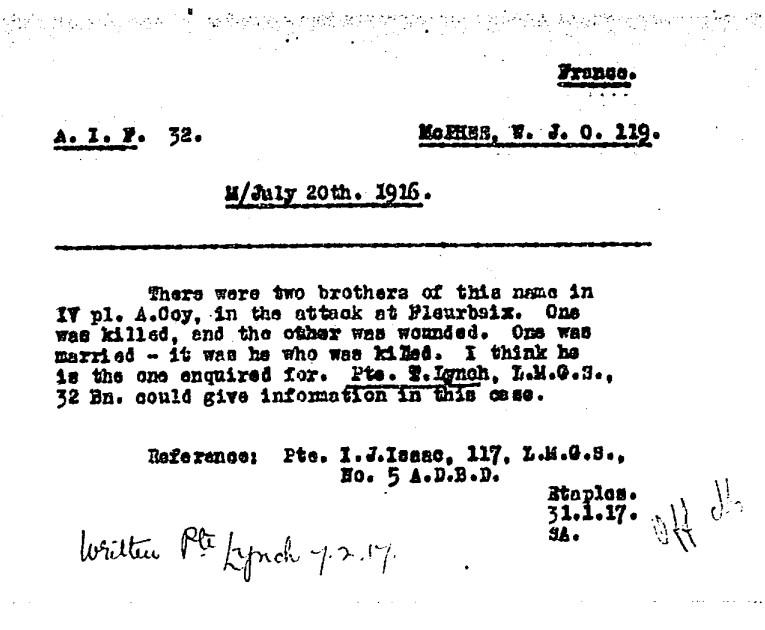
Unfortunately, Private Thomas Lynch died of wounds on the 18 December 1916 before he could give his account of what had occurred that night.
In the years after the war, Charles Bean visited the battlefield and noted the remains of men still lying where they had fallen. Of the 228 soldiers of the 32nd Battalion killed or who died of wounds at Fromelles, 166 were never identified.
Lieutenant Sam Mills, who survived the battle, later wrote:
They came over the parapet like racehorses… However, a man could ask nothing better, if he had to go, than to go in a charge like that, and they certainly did their job like heroes.
After the Battle
Will was officially reported as missing following the fighting at Fromelles. Just four days before the battle, the McPhee family had received word that their son Norman had been killed in action on the 29th June 1916 near Messines.
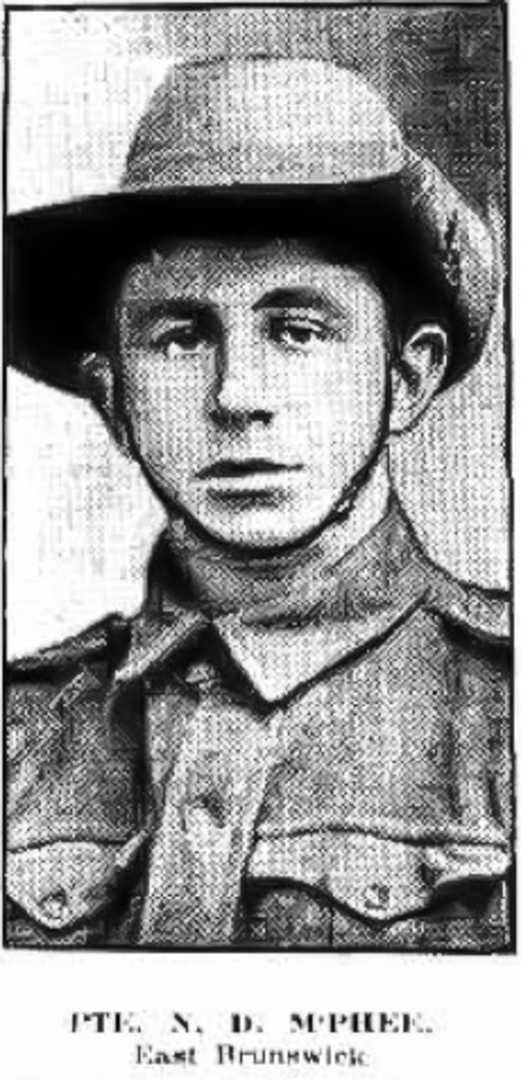
His brother Allick survived, but was wounded and evacuated from the battlefield. He was admitted to hospital suffering gunshot wounds to his left thigh, right arm and right foot, and was eventually transferred to the 2nd Western General Hospital, Manchester, England. He would spend much of the remainder of the war in and out of hospitals. While recovering in hospital, Allick wrote home describing his situation:
“Well, dear mother, I hope you are not worrying over me, for I get fed up like a little fighting cock… I have visitors every Sunday and Wednesday. You would think if you could see my locker that the grocer had called, and I have always got a tobacco shop on my locker, so what more does a man want.”
The 206th Casualty List, published in newspapers on 7 September 1916, included W.J.O. McPhee among those reported as missing. Alice would likely have received official notification shortly before this, but the advice provided no details — only that her husband was missing.
Source: Casualty List No. 206. (7 September 1916). Various Australian newspapers
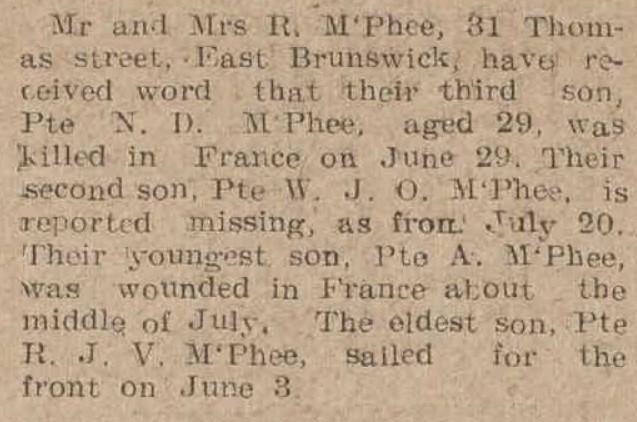
Base Records could only pass on information received from overseas, and for many months no further details were available. When families sought answers, the Australian Red Cross Information Bureau attempted to gather information by interviewing soldiers who might have knowledge of the missing. In Will’s case, only limited and uncertain information was obtained, and attempts to follow up potential witnesses were unsuccessful. More than a year after the battle, Alice still had no confirmation of her husband’s fate. In August 1917, she wrote to Base Records asking for assistance:
“Would you kindly send me the address of the Corporal or Sergeant Major of the 32nd Battalion, 8th Brigade. My husband has been missing from that Battalion since the 20th July 1916, and I would like to write over to France to see if they could give me any news. Hoping you will oblige.”
The reply she received was the same as that given to many others — there was no further information, and she would be notified if anything came to hand. Soon after, Will was officially declared killed in action. Alice placed a death notice in the Melbourne newspapers, bringing to an end more than a year of uncertainty.
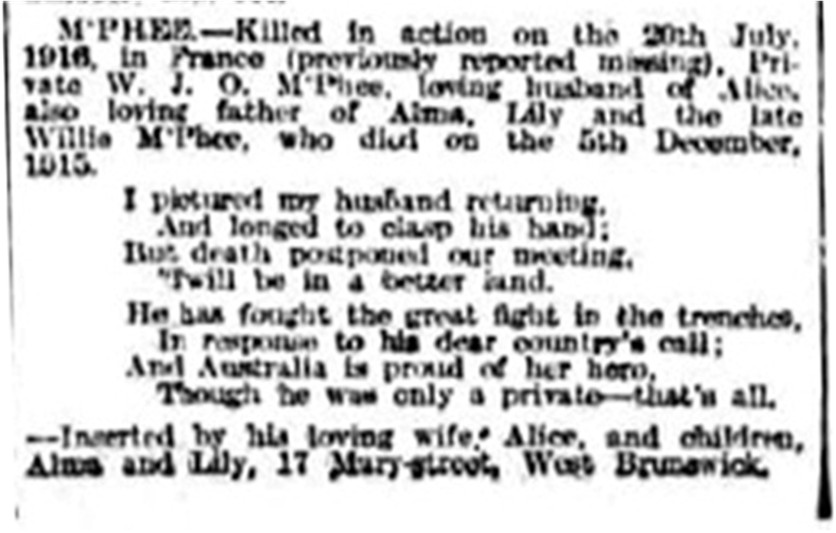
Alice wrote again to the Red Cross Information Bureau in 1918, asking for ‘the latest record’ of her husband, possibly hoping for a little more information about the circumstances of his death. The Red Cross could only repeat the limited information she already had. Families of men killed during the war were often desperate to get personal items returned as a memento of the lost man , but many of the families of the Fromelles missing received nothing.
Alice wrote repeatedly in June 1918, June 1919 and January 1920 asking whether any of Will’s belongings would be returned, but she received nothing. However she did not receive any items fom her husband’s kit. It is possible that Alice may have been told something about her husband’s fate by a survivor of Fromelles. In 1921 a circular was sent to the next of kin in an attempt to find any extra information they may have heard which might assist in the recovery of remains. All that Alice could write was “I believe he was blown to pieces’.
Source: NAA B2455, McPhee William – First AIF Personnel Dossiers, 1914-1920, page 59
There is no doubt that Will and Alice McPhee went through a very difficult period in 1915 as Will tried to enlist against the wishes of Alice. But the evidence is that Alice was a genuinely grieving widow, further confirmed by the memorial which she wrote which was to be inscribed on his grave if his body was recovered:
“In loving memory of my dear husband and father of Alma, Lily, Clarence (deceased)
In a grave too far away to see,
Holds one we dearly loved My Husband”
Remembering Will
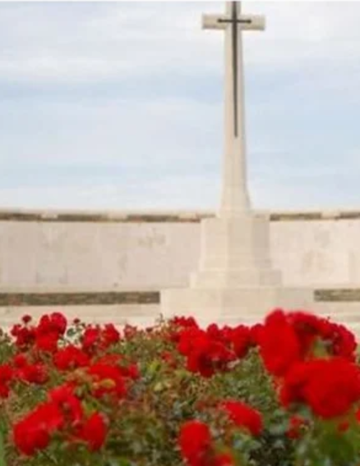
Will’s remains have not been identified. He was awarded the 1914-15 Star Medal, the Victory Medal, the British War medal, a Memorial Plaque and a Memorial Scroll and he is remembered on Panel 5 of the V.C Corner Australian Cemetery Memorial at Fromelles.
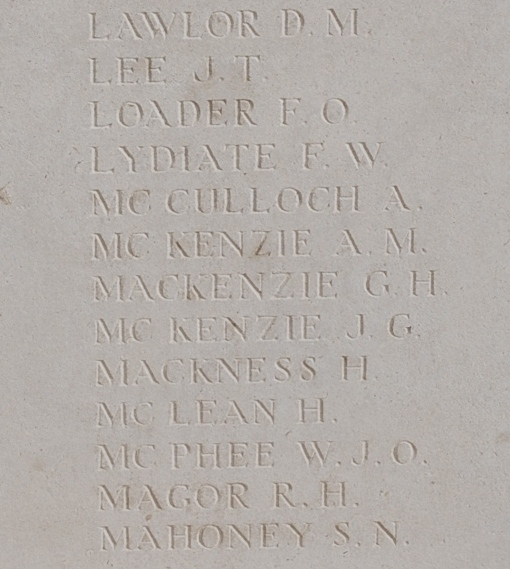
Australian Memorial Cemetery
The McPhee family sent four sons to serve in the First World War. Norman Donald McPhee (3870) served with the 8th Battalion and was killed in action on 29 June 1916 near Messines. He is buried at Berks Cemetery Extension, Ploegsteert Wood.
Richard John Valentine McPhee (956) served with the 37th Battalion. He was severely wounded in July 1917, suffering a gunshot wound to the chest and arm, and was returned to Australia later that year. He later settled at Kyneton, where he remained active in community life and a proud member of the RSL. He died in 1957.
Alllick McPhee (3390A) survived the war but carried the effects of his wounds for the rest of his life. After returning to Australia in January 1919, he lived in Brunswick West and later at Irvine Crescent. He died on 11 December 1947, aged 55.
Within little more than a year, the McPhee family had one son killed before Fromelles, one lost at Fromelles, and two others wounded in service.
An article from the time noted the wider family’s contribution, recording that in addition to their four sons, three nephews and nine cousins had also sailed for the front.
Source: NEWS FROM THE FRONT. (30 June 1916). The Brunswick and Coburg Leader (Vic. : 1914–1929), p. 2. Retrieved March 22, 2026, from http://nla.gov.au/nla.news-article87680199
His family also remembered Will and his brothers on his parents’ gravestone.
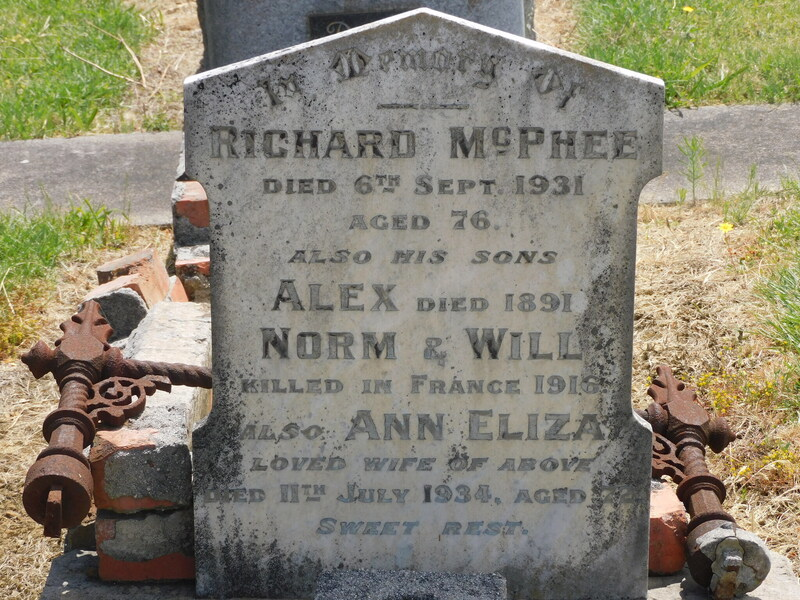
Finding Will
Will’s remains were not recovered; he has no known grave. After the battle, the Germans recovered 250 Australian soldiers and placed them in a burial pit at Pheasant Wood. This grave was discovered in 2008 and since then efforts have been underway to identify these soldiers by DNA testing from family members. As of 2025, 180 of the soldiers have been identified, including 41 of the 166 unidentified soldiers from the 32nd Battalion.
We welcome all branches of Will’s family to come forward to donate DNA to help with his identification. If you know anything of family contacts, especially those with roots in the Melbourne area and Castlemaine, Victoria, please contact the Fromelles Association. We hope that one day Will will be named and honoured with a known grave.
Please visit Fromelles.info to follow the ongoing identification project and Will’s story.
DNA samples are being sought for family connections to
| Soldier | William James Oliver McPhee (1885-1916) |
| Parents | Richard McPhee (1855-1931) Born Castlemaine, died Brunswick and Ann Eliza (Johnston) McPhee (1862-1934) Born Brunswick, died Brunswick |
| Siblings | Richard John Valentine (1884-1957) Born Brunswick, died Kyneton, married Ellen Mary McIver (1891-1980) in 1927 | ||
| Norman Donald McPhee (1887-1916) Born Brunswick, KIA France 29/6/1916 | |||
| Allick McPhee (1892-1947) Born Northcote, died Heidelberg married Daphne Evelyn Raymond (1899-1974) in 1921, 5 children | |||
| Lilian McPhee (1894-1983) Born Brunswick , died Coburg, married Ernest William Loughton (1889-?) in 1914, 4 children |
| Children | Alma Alicia Edna (1910–1977) | |||
| Lilian May (1912-1993) married Hodson | ||||
| Clarence Willie (1913-1915) |
| Grandparents | |||
| Paternal | John McPhee (1805 – 1858), born Killean, County Argyll, Scotland, Died Forest Hill, Castlemaine and Catherine Hay (Year Born ?– 1857) Born Scotland, died Castlemaine | ||
| Maternal | John Johnston, and Sarah Jane Pogue (1832 -1909) born Ireland, died Brunswick |
Links to Official Records
Seeking DNA Donors

Contacts
(Contact: carla@fromelles.info or geoffrey@fromelles.info).
(Contact: army.uwc@defence.gov.au or phone 1800 019 090).
Donations
If you are able, please contribute to the upkeep of this resource.
(Contact: bill@fromelles.info ).