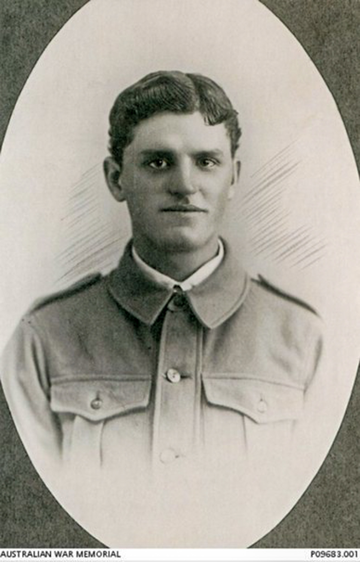
George James THOMSON
Eyes brown, Hair dark, Complexion fresh
Private George James Thomson — The Printer’s Apprentice Who Never Came Home
Can you help find George?
George James Thomson’s body was never found after the Battle of Fromelles, and there are no records of his burial.
A mass grave was found in 2008 at Fromelles, a grave the Germans dug for 250 Australian soldiers they recovered after the battle. As of 2024, 180 of these soldiers have been able to be identified via DNA testing.
George may be among these remaining 70 unidentified men. There is still a chance to identify him — but we need help. We welcome all branches of his family to come forward to donate DNA to help with his identification, especially those with roots in Clifton Hill, Carlton and Collingwood Victoria and Ireland and Ayrshire, Scotland
See the DNA box at the end of the story for what we do know about his family.
If you know anything of contacts for George, please contact the Fromelles Association.
Early Life
George James Thomson was born on 11 April 1896 in Clifton Hill, Victoria, the son of James Thomson and Emma Annie White. They had six children:
- Gladys May (1891–1980)
- George John (1892–1893)
- Emma Valentine (1894–1958)
- George James (1896–1916)
- Charles (Charlie) Theodore (1898–1956)
- Helen Matilda “Tilly” (1900–1989)
The Thomsons were a long-established Northcote–Clifton Hill family with deep roots across the inner north. Both sides of George’s extended family settled in Melbourne from the 1850s, (Carlton, Collingwood). Emma’s family was from Ireland and the Thomsons from Ayrshire, Scotland. In the 1910 electoral roll, James was a driver. The family lived around Ramsden Street and later at 7 Burt Street in Northcote, close to schools, churches, and the tight neighbourly networks of early 20th-century Melbourne.
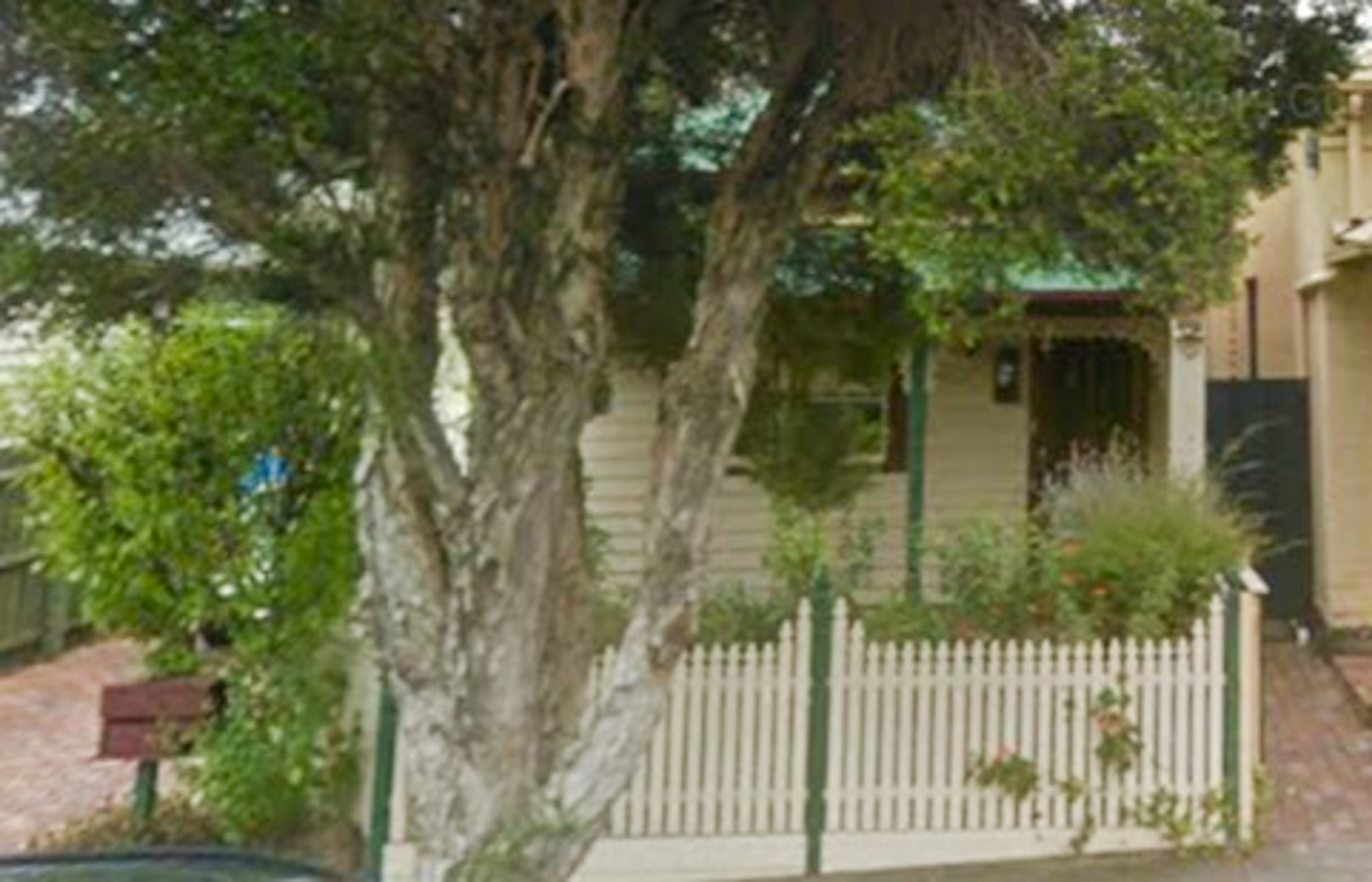
George’s early years were marked by family stability until 1909, when his mother Emma died suddenly at the age of 41. George was 13. Her death notices reveal the family loss of a beloved wife, mother and sister. One death notice referred to Emma’s sister Matilda Thomas of Fitzroy and brother Charles White of Carlton. Source -https://trove.nla.gov.au/newspaper/article/196054440
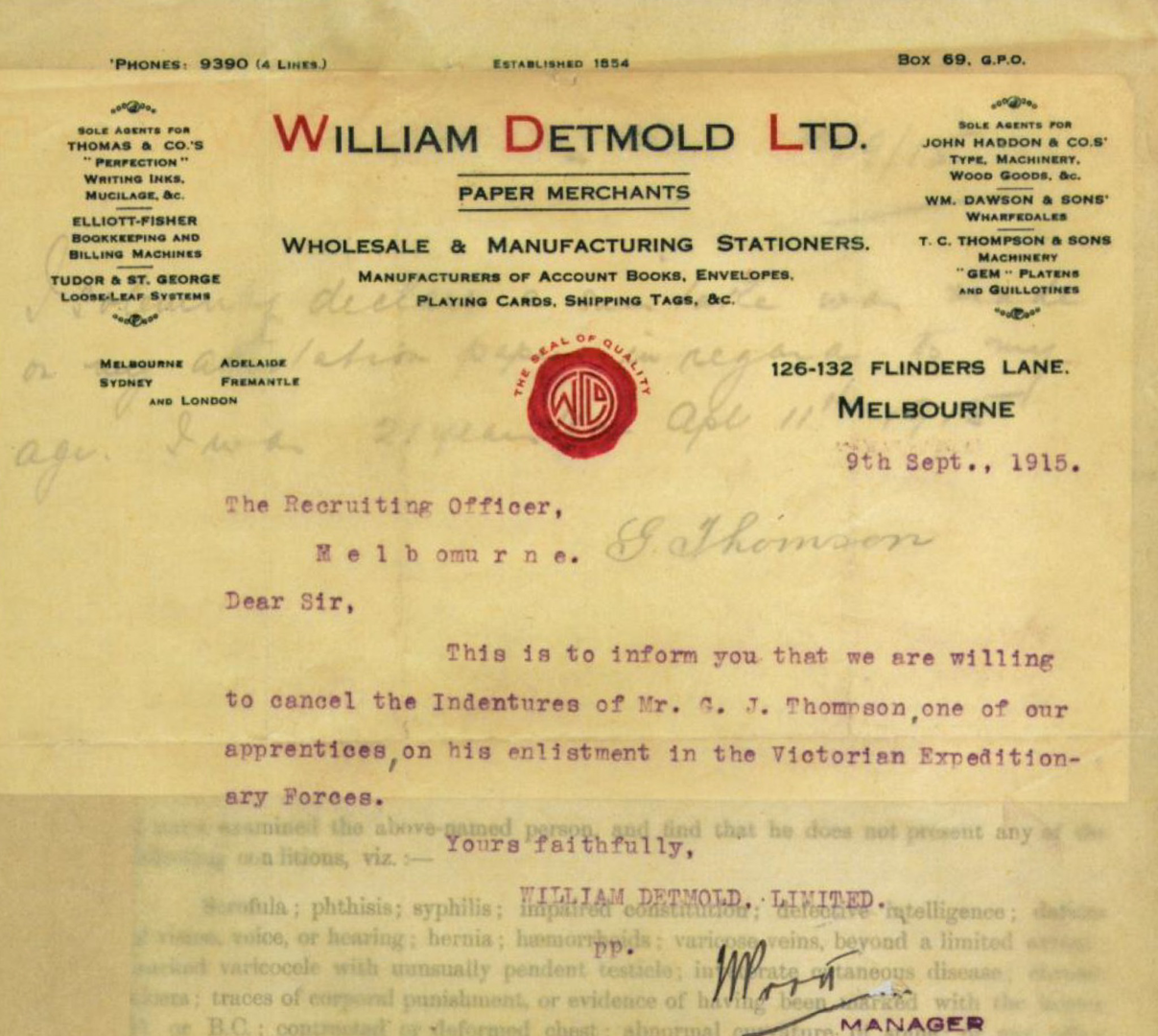
The children were then raised by their father, James - with eldest daughters Gladys at 18 and Emma 16, plus Emma’s maiden Aunt Emma and other relatives assisting. The White family were in surrounding suburbs. After his schooling, George began an apprenticeship with William Detmold Ltd., a major Melbourne printing and stationery manufacturer. When he enlisted in 1915, the company formally released him from his indentures.
He also had joined the Citizens Military Force which would have been an important factor in enlisting, confidence in his training.
Off to War
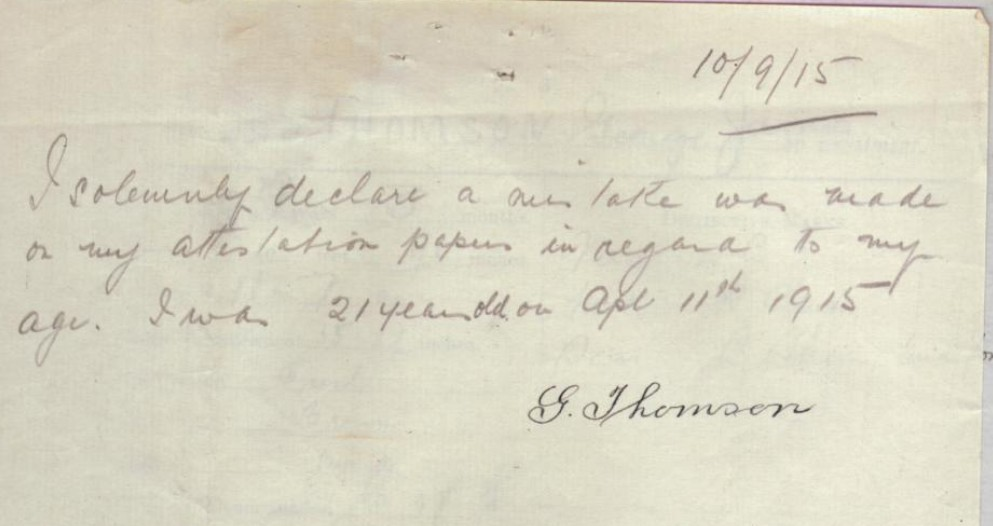
On 16 August 1915, the nineteen year old, six foot tall George Thomson left his home at 7 Burt Street, Northcote and volunteered for the AIF. On his papers he declared his age correctly as 19, but later supplied a statement that said he was 21 to avoid needing parental consent. Victorian birth records, however, show he was only 19 years old at the time. Adding years was a relatively common practice among enlistees keen to go to war. The Thomsons had earlier lost an infant son named George John Thomson in 1893.
Because both boys shared the same name, it is very possible that George used details associated with his older brother to meet the age requirement.
He was posted to the 8th Reinforcements of the 23rd Battalion. Tall, dark-haired, and already familiar with military life after three years in the 55th Infantry (Citizen Military Forces), George would have slipped easily into AIF training routines. The 23rd Battalion was raised at Broadmeadows north of Melbourne in early 1915, to form the third Battalion of the 6th Brigade in the 2nd Division. He did his military training at Royal Park, Seymour and Broadmeadows.
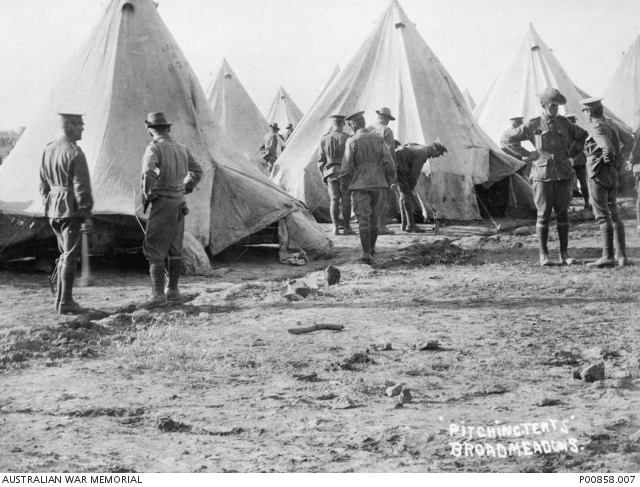
On 5 January 1916, George sailed from Melbourne on the HMAT A19 Afric, for the month+ trip to the camps in Egypt. With the ‘doubling of the AIF’ as it expanded from two infantry divisions to five, major reorganisations were underway. After his arrival he was assigned to the 24th Battalion, but after a month, on 4 April he was moved to the 60th Battalion on, then on the same day to the 59th Battalion, joining them at the Ferry Post camp at the Nile River.
The 59th Battalion had been raised in Egypt on 21 February 1916 at the 40,000-man training camp at Tel-el-Kebir, about 110 km northeast of Cairo. Approximately half of its recruits came from the 7th Battalion Gallipoli veterans and the other half from reinforcements from Australia. The 59th was predominantly composed of men from rural Victoria. While the ongoing training in the heat of Egypt was a challenge, it was not all work. A 5th Division Sports Championship was held on 14 June, which was won the by the 59th’s 15th brigade. The very next day they began preparations for heading to the Western Front.
The 59th departed aboard the Kinfauns Castle from Alexandria on 18 June 1916. After a brief stop in Malta, they disembarked at 7.00 AM in Marseilles on 29 June. By 10.00 PM they were on a train headed for Steenbeque, 35 km from Fleurbaix in northern France, arriving on 2 July. This area near Fleurbaix was known as the “Nursery Sector” – a supposedly relatively quiet area where inexperienced Allied troops could learn the harsh realities of Western Front trench warfare against the Germans. But the quiet times and the training period did not last long.
Training continued, but with a higher sense of urgency, and it now included the use of gas masks and learning to deal with the effects of large shells. The move to the front continued. On 9 July they were in Sailly sur la Lys, just 1000 yards from the trenches. At 4.00 PM on 18 July 1916, the 59th Battalion entered the front-line trenches relieving the 57th.
The Battle of Fromelles
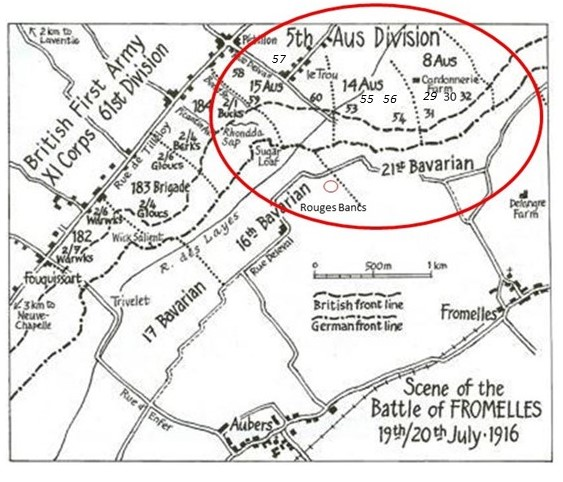
The battle plan had the 15th Brigade located just to the left of the British Army. The 59th and 60th Battalions were to be the lead units for this area of the attack, with the 58th and 57th as the ‘third and fourth’ battalions, in reserve. The main objective for the 15th Brigade was to take the trenches to the left of a heavily armed, elevated German defensive position, the ‘Sugar Loaf’, which dominated the front lines. If the Sugar Loaf could not be taken, the other battalions would be subjected to murderous enfilade fire from the machine-guns and counterattacks from that direction.
As they advanced, they were to link up with the 60th battalion and the British on their flanks. The main attack against the Sugar Loaf position was planned for 17 July, but it was delayed due to bad weather. On 19 July, Zero Hour for advancing from their front-line trenches was to be 5.45 PM, but the Germans knew this attack was coming and were well-prepared. They opened a massive artillery bombardment on the Australians at 5.15 PM, causing chaos and many casualties.
A fellow soldier, Bill Boyce (3022, 15th Brigade, 58th), summed the situation up well, “What have I let myself in for?”
Source - Australian War Memorial Collection C386815
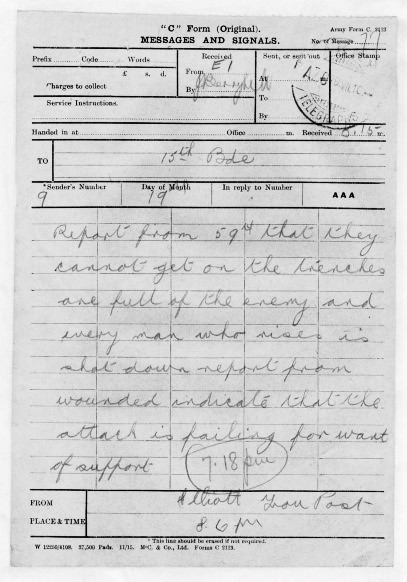
Their attack on the German lines began at 5.45 PM on the 19th. The 59th went over their parapet in four waves at 5 minute intervals, but then laid down to wait for the support bombardment to end at 6.00 PM. A & B Companies were in the first two waves, C & D in the next two. There was immediate and intense fire from rifles and the Sugar Loaf machine guns. As documented in the messages sent back to HQ just after the attacks began:
“cannot get on the trenches as they are full of the enemy”
“every man who rises is shot down”
“‘they were enfiladed by machine guns in the Sugar Loaf and melted away”

Lieutenant Colonel E.A. Harris, the battalion’s commanding officer, was incapacitated by shell shock early in the attack. His second-in-command, Major Herbert T.C. Layh, took over but was wounded soon after when he was blown into a water-filled shell hole. The British 184th Brigade just to the right of the 59th met with the same resistance, but at 8.00 PM they got orders that no further attacks would take place that night. However, the salient between the troops limited communications, leaving the Australians to continue without British support from their now exposed right flank.
The official reports indicate advances against the Sugar Loaf fortification were limited, but individuals’ reports suggest that some did reach the German parapet. However, their gains were impossible to hold and with little support being available they had to drop back. The attack was ended early on the morning of the 20th. At the 8 AM roll call, out of a battalion of about 1000 soldiers, 4 officers and 90 other ranks reported in. While there was no cease fire after the battle, parties did go to No-Man’s Land to bring back wounded soldiers, over 200 were recovered on 20 July. The initial toll on the 59th was 26 killed or died of wounds, 394 were wounded and 274 were missing – 694 soldiers.
Ultimately, 334 soldiers were killed in action or died from their wounds from this battle. 239 of the soldiers were unidentified. To get some perspective of the battle, when Charles Bean, Australia’s official war historian, attended the battlefield two and half years later, and he observed a large quantity of bones, torn uniforms and Australian kit still on the battlefield.
After the Battle
With the scale and results of the battle it is not a great suprirse that George was reported as among the missing in action with no further details.News reached Northcote slowly. In early September 1916, the Northcote Leader reported:
“Mr. J. Thomson, of Burt street, received news that his eldest son (George) has been missing since July 19.”
The Army and the Red Cross undertook extensive checks of their files, hospitals, witnesses and German reports to find the missing soldiers. However, there were no records about George, he was just ‘missing’. More than a year later, a Court of Enquiry in the Field on 29 august 1917 declared George “Killed in Action, 19th July 1916.”
Source – NAA, B2455, Thomson, George James – First AIF Personnel Dossiers 1914–1920, page 5
The Preston Leader confirmed the family had finally received the dreaded news -
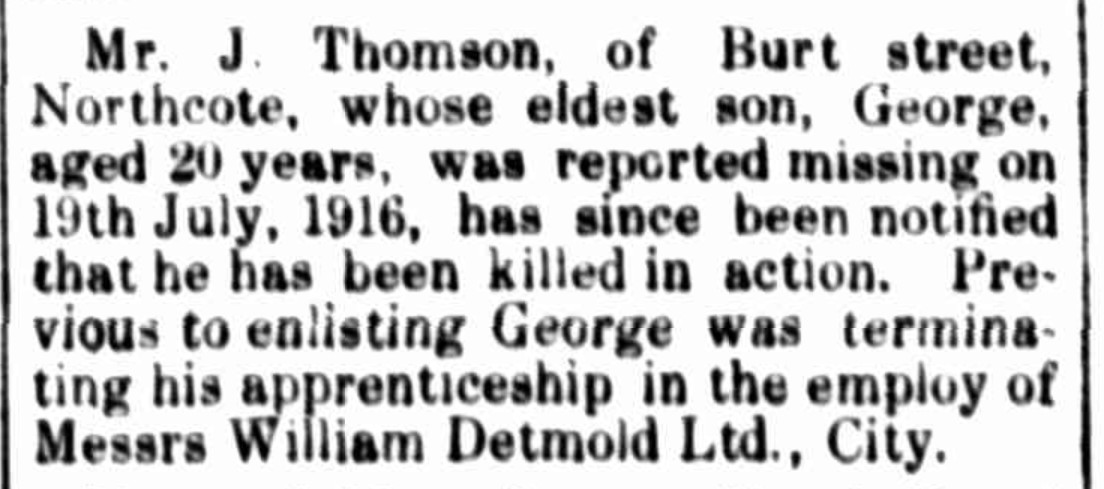
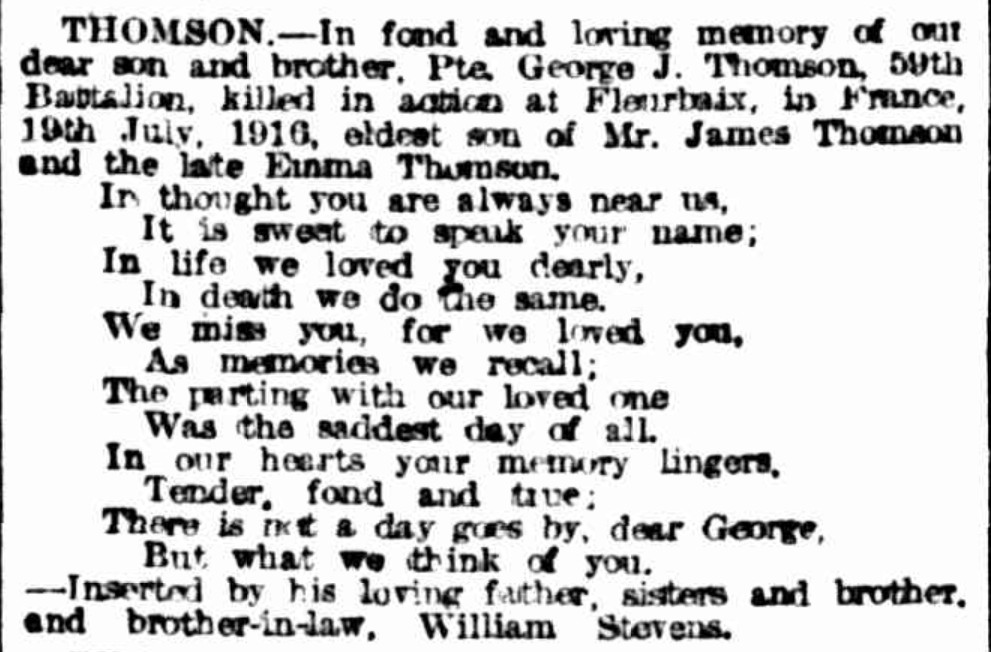
For George’s father and siblings, the loss was lasting. In July 1919, three years after his death, the family placed a memorial notice in The Age.
George was awarded the British War Medal, the Victory Medal, a Memorial Plaque and a Memorial Scroll. His sister Emma collected the Memorial Plaque for her father on 1 November 1922. While George’s body was not found, his records have a “presumed to be buried” notation, but at a very general location. This likely reflects a generic observation as opposed to specific knowledge of George’s actual burial.

Today, George is commemorated at:
- VC Corner Australian Cemetery and Memorial, Fromelles (Panel 18)
- Australian War Memorial, Roll of Honour (Panel 169)
George’s father continued to honour his son for the rest of his life. When James died in 1940, the family’s death notice still listed “George (deceased)” among his children — a small but poignant reminder that his eldest boy was never forgotten:
“James… loved father of Gladys, Emma, George (deceased), Charles and Matilda.”
Finding George
George’s remains were not recovered, he has no known grave. After the battle, the Germans recovered 250 Australian soldiers and placed them in a burial pit at Pheasant Wood. This grave was discovered in 2008 and since then efforts have been underway to identify these soldiers by DNA testing from family members. As of 2024, 180 of the soldiers have been identified by DNA matching, including just one of the 239 unidentified soldiers from the 59th Battalion.
We welcome all branches of George’s family to come forward to donate DNA to help with his identification. If you know anything of family contacts, especially those with roots in Clifton Hill, Carlton and Collingwood, Victoria and Ireland and Ayrshire, Scotland, please contact the Fromelles Association.
We hope that one day George will be named and honoured with a known grave.
Please visit Fromelles.info to follow the ongoing identification project and George’s story.
DNA samples are being sought for family connections to
| Soldier | George James Thomson (11 April 1896–1916) |
| Parents | James Thomson (1867–1940) and Emma Annie White (1868–1909) |
| Siblings | Gladys May Thomson (28 August 1891–1980) m William Daniel/Donald Johnston (Stevens) | ||
| George John Thomson (1892–1 September 1893) | |||
| Emma Valentine Thomson (1894–13 March 1958) m James Alexander Daniels | |||
| Charles Theodore Thomson (1898–28 May 1956) m Violet Inzella Gray | |||
| Helen Matilda “Tilly” Thomson (2 January 1900–2 June 1989) m Herbert Kent Williams |
| Grandparents | |||
| Paternal | George Thomson (c.1828–1904) Ayrshire, Scotland family background and Helen Smith (c.1828–1907) | ||
| Maternal | Theophilus White (c.1830–1899) and Rosanna Kennedy (c.1832–1888) both Irish background |
Seeking DNA Donors

Contacts
(Contact: carla@fromelles.info or geoffrey@fromelles.info).
(Contact: army.uwc@defence.gov.au or phone 1800 019 090).
Donations
If you are able, please contribute to the upkeep of this resource.
(Contact: bill@fromelles.info ).