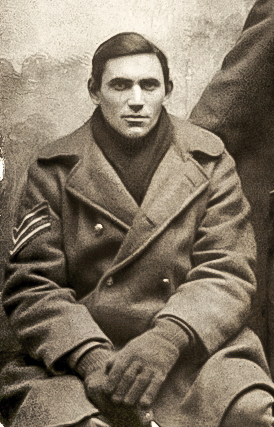
Vernon Hepburn DRAKE
Eyes Unknown, Hair Unknown, Complexion Unknown
Vernon Hepburn Drake – A Story of Three Mates and Five Brothers
Early Life
The Drake family have a history like a number of Tasmanians of the time. Vernon’s grandfather was a convict born in Worcester England, convicted of horse stealing and transported to Tasmania in 1830. He served his time and stayed in Tasmania. His son, Michael Samuel “Sambo”, became a wheelwright, He married Annie Page on 11 June 1881 at the Union Chapel in Hobart. Annie was from a settler family. After their marriage, they moved to Invercargill, New Zealand, where three of their chidren were born, but were permanently back in Hobart in the late 1880’s.
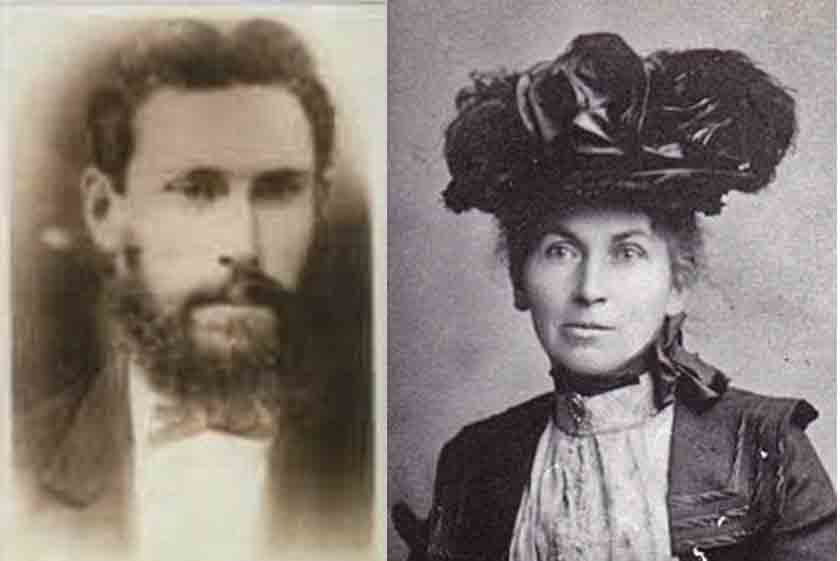
Vernon Hepburn Drake was born on 19 February 1896 at New Town, Hobart, Tasmania, their seventh of their eight children:
- Sydney Irwin Drake (1882–1908)
- Ernest Allen Drake (1883–1918)
- Mabel Ellen Sophia Drake (1885–1962)
- Harry Joseph Drake (1888–1950)
- Alan Cameron Drake (1890–1973)
- Muriel Edith Drake (1894–1894)
- Vernon (1896-1916) KIA at Fromelles
- Joyce Clare Drake (1900–1983)
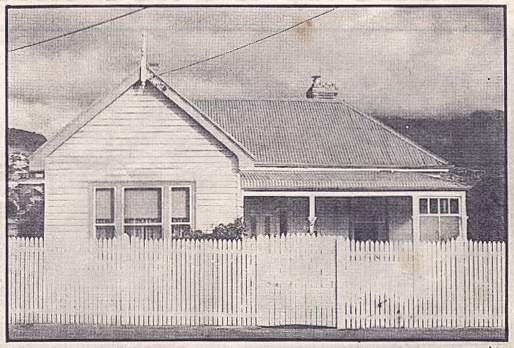
Vernon grew up at the family home his father built at “Luften", 18 Pirie Street, Newtown, just a short distance from the Derwent River.
Vernon attended New Town State School and was then apprenticed as a joiner to James McKenzie in Hobart. With Hobart’s close ties to the sea and having five adult sons during the War years, seafaring and military service featured in the Drake sons’ lives, but with consequences.
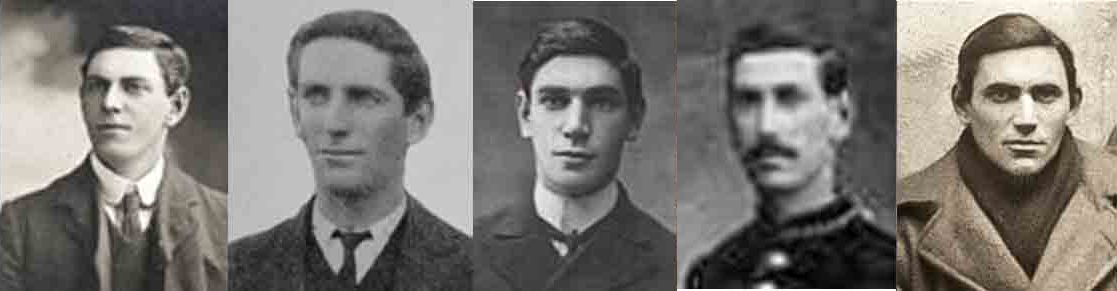
Sydney went to sea and became the Second Officer on the SS Islanda, but died in Singapore at just 25 years of age, the victim of yellow fever. Ernest became a Fireman in the British Mercantile Marine. He survived multiple shipwrecks and fires at sea before being killed in March 1918 when SS Boorara was torpedoed in the English Channel. Alan served with the Royal Engineers during the First World War, later returning to Hobart and serving again with the Citizens Military Forces during the Second World War. Vernon was killed in action at Fromelles.
Harry did not serve, but for very good reasons. He had married Connie Williamson in 1911 and they were living in the west coast mining town of Zeehan, where their two eldest children were born. But they were back in Pirie Street in 1915 for the birth of their third child. Unfortunately, childbirth fever caused the death of Connie. Harry and his family remained at Pirie Street Newtown, with the continued support of his parents and his sister Mabel. His third child, Gordon, was still there as an adult. Like his brothers, Vernon was preparing for service. By his teens. He joined the Naval Cadets and later the Royal Australian Naval Reserve, spending four years on patrols in the River Derwent.
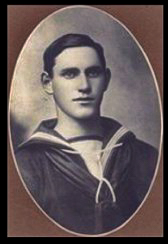
Off to War
Vernon enlisted in the Australian Imperial Force at Claremont Camp, Tasmania on 19 July 1915. He was joined that same day by two fellow Tasmanians, William Thomas Abel and Henry James Hodgson. The three were allocated consecutive service numbers, Abel (1195), Drake (1196), and Hodgson (1197), a sign of how closely their paths would be entwined.
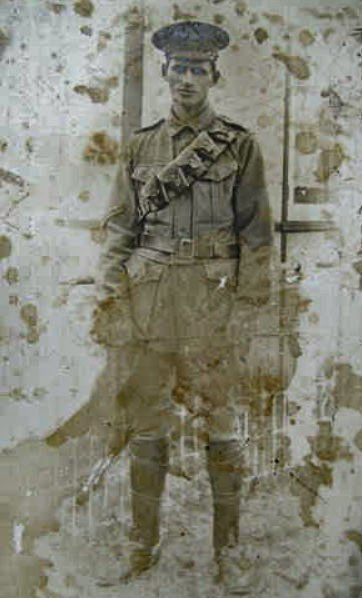
The trio were transferred to Sydney, where the 30th Battalion was being formed at Moore Park. They were posted to A Company, which included a strong contingent of naval reservists. Like Vernon, William Abel had served in the Naval Reserve. On 9 November 1915, the men embarked together aboard HMAT A72 Beltana, bound for the camps in Egypt. The trip was uneventful and they disembarked in Egypt on 11 December. They spent their first seven weeks at Ferry Post, guarding the Suez Canal from any potential threats posed by the Ottoman Army and continuing their training. February and March were spent at the 40,000 man camp at Tel-el-Kebir, 110 km northeast of Cairo. While there, they were inspected by H.R.H. Prince of Wales.
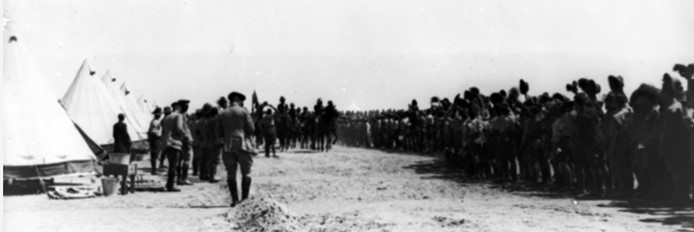
By March, Vernon had shown leadership ability, and was promoted to Lance Corporal. The Battalion left Egypt for the Western Front on 16 June 1916 on HMAT Hororata and arrived in Marseilles on 23 June. While most of the battalion entrained directly for the front, Vernon’s A Company remained in Marseilles for two weeks of garrison duty.
The area near Fleurbaix was known as the “Nursery Sector” – a supposedly relatively quiet area where the inexperienced Allied troops could learn the harsh realities of Western Front trench warfare against the Germans. But the quiet times and the training period did not last long. Training now included the use of gas masks and they also would have heard the heavy artillery from the front lines. On 8 July they were headed to the front lines, first to Estaires, 20 km and the next day 11 km to Erquinghem, where they were billeted at Jesus Farm. They got their first ‘taste’ of being in the front lines at 9.00 PM on 10 July.
The Battle of Fromelles - The Three Mates Survive
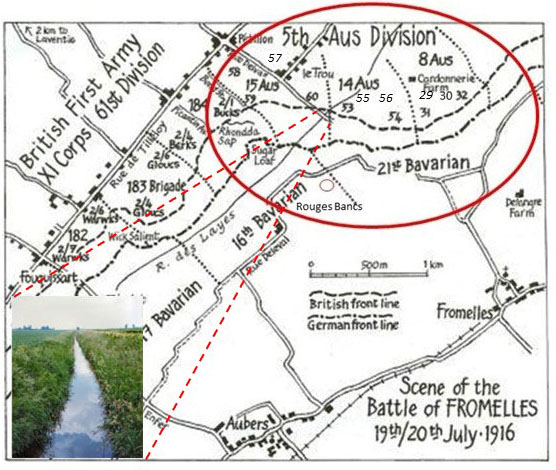
Inset - River Layes from the Australian Front Line looking towards the Sugar Loaf
The overall plan was to use brigades from the Australian Fifth Division to conduct a diversionary assault on the German trenches at Fromelles. The 30th Battalion’s role was to provide support for the attacking 31st and 32nd Battalions by digging trenches and providing carrying parties for supplies and ammunition. They would be called in as reserves if needed for the fighting. The attack was initially planned for 17 July, but it was postponed due to the weather. In his final letter home Charles Albert Woods (2194 30th Bn) summed up the situation he found himself in:
“Since writing last we have shifted from ‘somewhere in France’ to ‘somewhere else in France,’ and are now in the trenches. Whilst writing this the shells are whistling over our heads a ‘treat.’ We are all provided with steel helmets to lessen the danger of being hit in the head with shrapnel, and also with gas helmets, to put on while a gas attack is being made on us.”
Then, on 19 July, the 29 officers and 927 other ranks of the 30th Battalion were into battle. Zero Hour for advancing from their front-line trenches was to be 5.45 PM, but the Germans knew this attack was coming and were well-prepared. They opened a massive artillery bombardment on the Australians at 5.15 PM, causing chaos and many casualties. The 32nd’s charge over the parapet began at 5.53 PM and the 31st’s at 5.58 PM. There were machine gun emplacements to their left and directly ahead at Delrangre Farm and there was heavy artillery fire in No-Man’s-Land. By 6.30 pm, the Australians had captured the German first-line system (Trench B in the diagram below), described as:
“practically a ditch with from 1 to 2 feet of mud and slush at the bottom.”
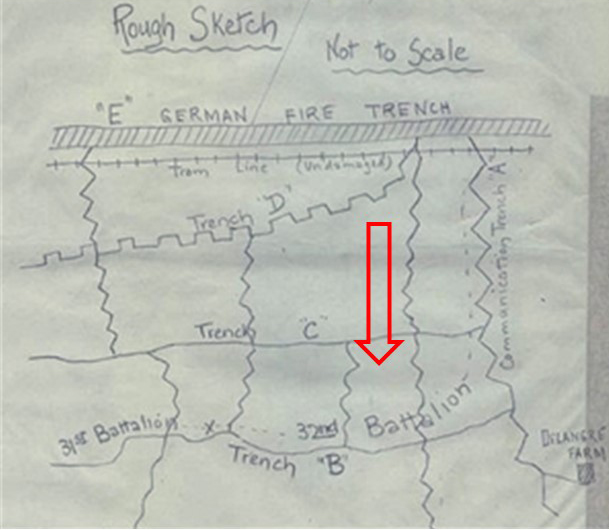
While not in the initial rush, the 30th was close behind digging trenches, carrying ammunition and digging and repairing communication trenches all while under constant artillery bombardment and rifle fire. Their role was to be in support, but commanders on scene made the decision to use the 30th as much-needed fighting reinforcements. A necessary act, but it had consequences as it interfered with the planned flow of supplies. B and C Companies were the first to be brought in.
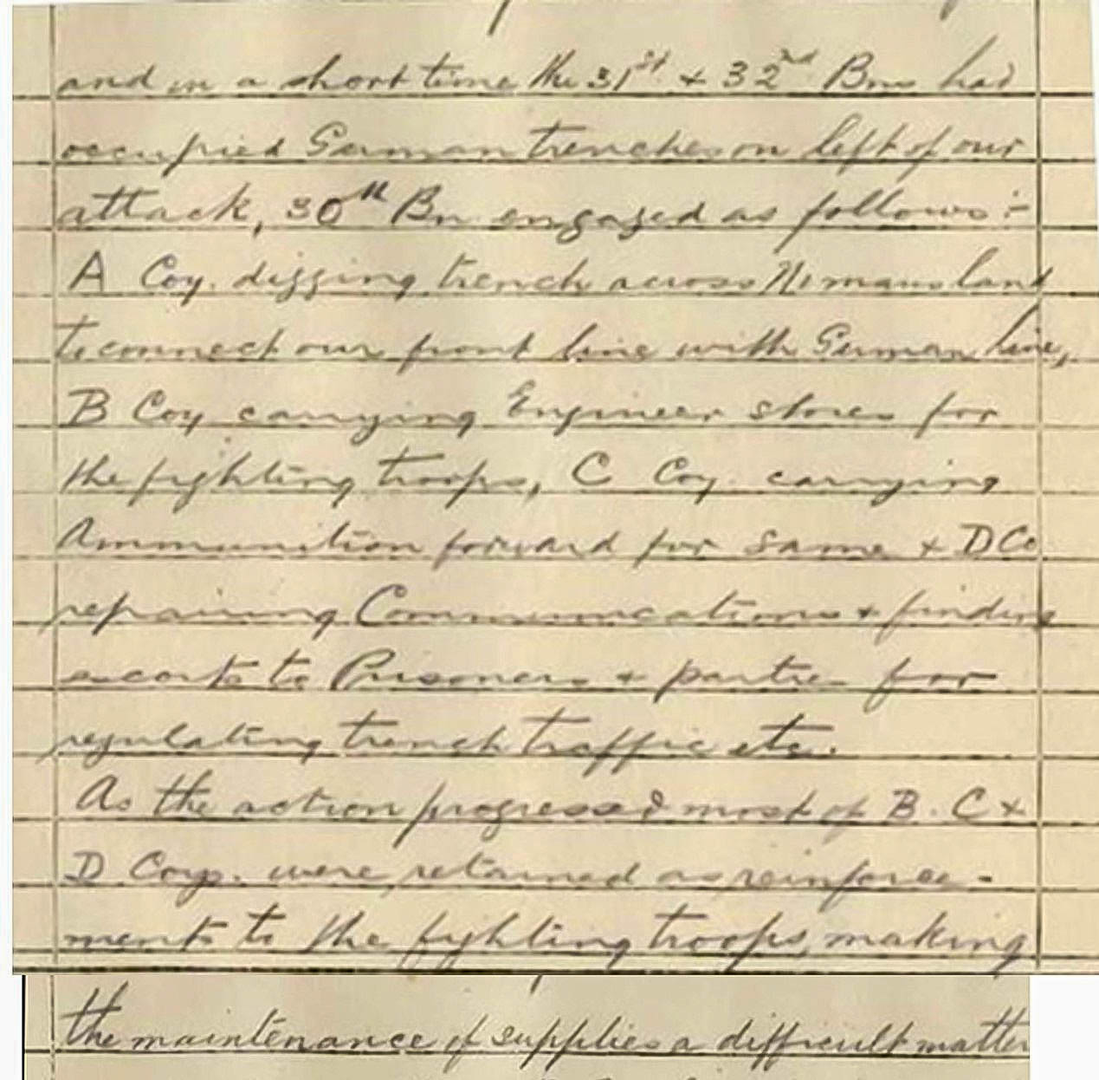
By 8.30 pm, the Australians’ left was under heavy bombardment. Return bombardment support was provided and orders went out that “the trenches were to be held at all costs.”
Source- AWM4 23/49/12, July 1916, p.12 When the 30th was formally called to provide fighting support at 10.10 PM, Lieutenant-Colonel Clark reported:
“All my men who have gone forward with ammunition have not returned. I have not even one section left.”
Fighting continued through the night. The Australians made a further charge at the main German line beyond Trench B (map), but they were low on grenades, there was machine-gun fire from behind from the emplacement at Delangre Farm and they were so far advanced that they were getting shelled by both sides. At 4.00 AM the Germans began an attack from the Australian’s left flank, bombing and advancing into Trench A (map).
Given the Australian advances that had been made earlier, portions of the rear Trench E had been left almost empty, which then enabled the Germans to be in a position to surround the soldiers. At 5.30 AM the Germans attacked from both flanks in force and with bombing parties. Having only a few grenades left, the only resistance the 31st could offer was with rifles:
“The enemy swarmed in and the retirement across No Mans’ Land resembled shambles, the enemy artillery and machine guns doing deadly damage.”
By 10.00 AM on 20 July, the Australians had withdrawn. The nature of this battle was summed up by Private Jim Cleworth (784) from the 29th:
"The novelty of being a soldier wore off in about five seconds, it was like a bloody butcher's shop."
Although meant to be in support, the initial figures for the 30th Battalion were 54 killed, 230 wounded, and 68 missing. Ultimately, 125 were killed or died of wounds, with 80 missing or unidentified.
The Tassie Mates Survived Fromelles, but…
William Abel managed to get through the battle without injury. Vernon was not so lucky. He was hit by shrapnel in the forearm during the night, but was able to make it back to the Australian lines. The wound was serious enough to require him to be evacuated to Wandsworth Hospital in the UK. By mid-October he was released from medical care and in early December he was sent to France, rejoining his unit on 29 December.
Henry Hodgson came out of the battle the worst off. He was badly wounded from shellfire in his arm. He was evacuated to hospital where his right arm was amputated. His war was over. He returned to Hobart at the end of 1916 and lived until 1959.
Vernon and William Back Together
After recovering from his wound at Fromelles, Vernon rejoined his mate William Abel. On 2 March 1917, he was promoted to Corporal and only four months later, on 9 July 1917, he became a Sergeant. His file contains comments from other that he was very well liked.
Source – Red Cross Missing and Wounded file, 1196 Vernon Hepburn Drake, p 9, p10
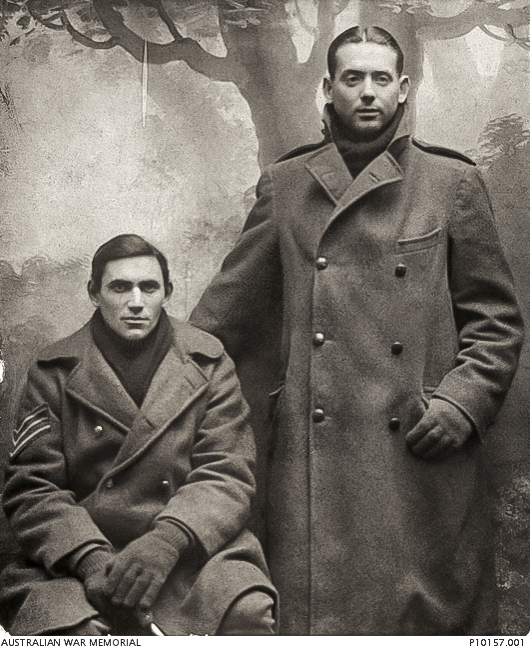
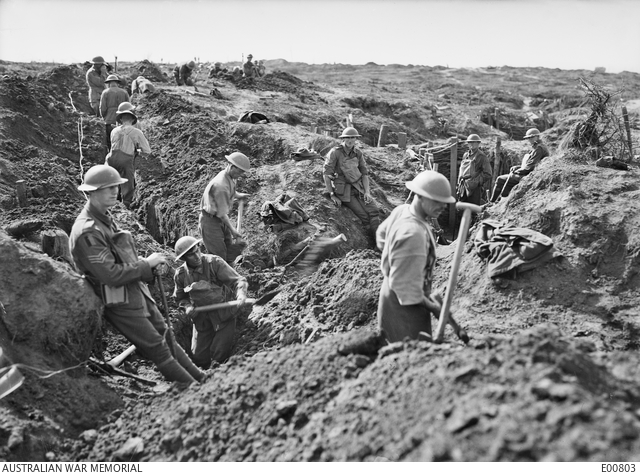
Through 1917, the battalion moved into Belgium and took part in the fighting around Ypres. In September, they were in the major Allied offensive on the Menin Road and Westhoek Ridge, part of the Third Battle of Ypres. The shell-blasted terrain was so devastated that supplies could only be brought forward by pack animals and the Australians laboured to cut tracks through the mire under enemy observation.
One photograph taken on 17 March 1917 shows members of A Company, 30th Battalion digging a sunken mule track on Westhoek Ridge. Vernon is clearly identified, facing the camera. Several of the men alongside him, Sergeant John Buttsworth, Lieutenant Stanley Fisk and Sergeant Samuel Murdock would later be killed in action.
In October 1917, during the bitter fighting near Passchendaele, Vernon was wounded for the second time, this time a shot wound to his face. He was evacuated for treatment, but returned to his battalion in December. William was, again, not injured.
Morlancourt, France 1918
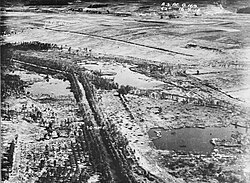
By mid-1918, the 30th Battalion was back to the Somme, holding the line near Morlancourt. Instead of launching large attacks, the 30th were carrying out frequent small-scale raids and night patrols. These operations aimed to unsettle the enemy, capture prisoners and improve local positions. They were often carried out by just a few men moving through No Man’s Land under cover of darkness, dangerous work that relied on courage and initiative.
On the night of 22/23 June 1918, Vernon was in charge of a reconnaissance patrol of six men. While patrolling the company front, his party encountered an enemy post and became separated. Vernon and four others managed to return to the Australian lines, but when he realised two of his men were missing, he immediately set out to search for them. In the darkness, he became entangled in barbed wire and did not return -
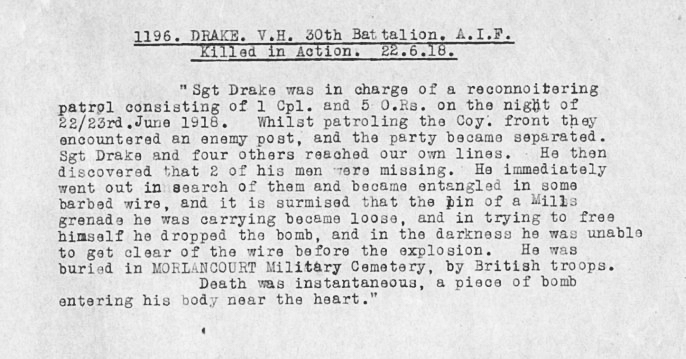
There are numerous reports in his Red Cross file about the incident. Later, others did go out for him and were able to recover his personal belongings, but it was too dangerous to try to retrive his body. However, about three weeks later the 29th Battalion had made advances in the area and they were able to recover Vernon’s body for burial and the news made it back to the 30th. Samuel B Johnson (3579, A Company, 30th Battalion) :
”We were informed on parade that his body was found and buried in a cemetery near Heilly (near Albert).”
William Able’s luck finally ran out. He had been wounded the next day and sent to England for treatment. While there he submitted statements that he had seen Vernon’s body and said that he had received a letter about Vernon’s burial. William’s injuries did did not let him return to his unit and eventually returned to Tasmania in 1919. Vernon is buried at Morlancourt Military Cemetery No. 2 by British troops (near Heilly), (Plot 1, Row B, Grave 8). Vernon’s effects, a wallet, photographs, a card, a testament, and a small metal cross, were later sent home to his mother at Pirie Street, New Town.
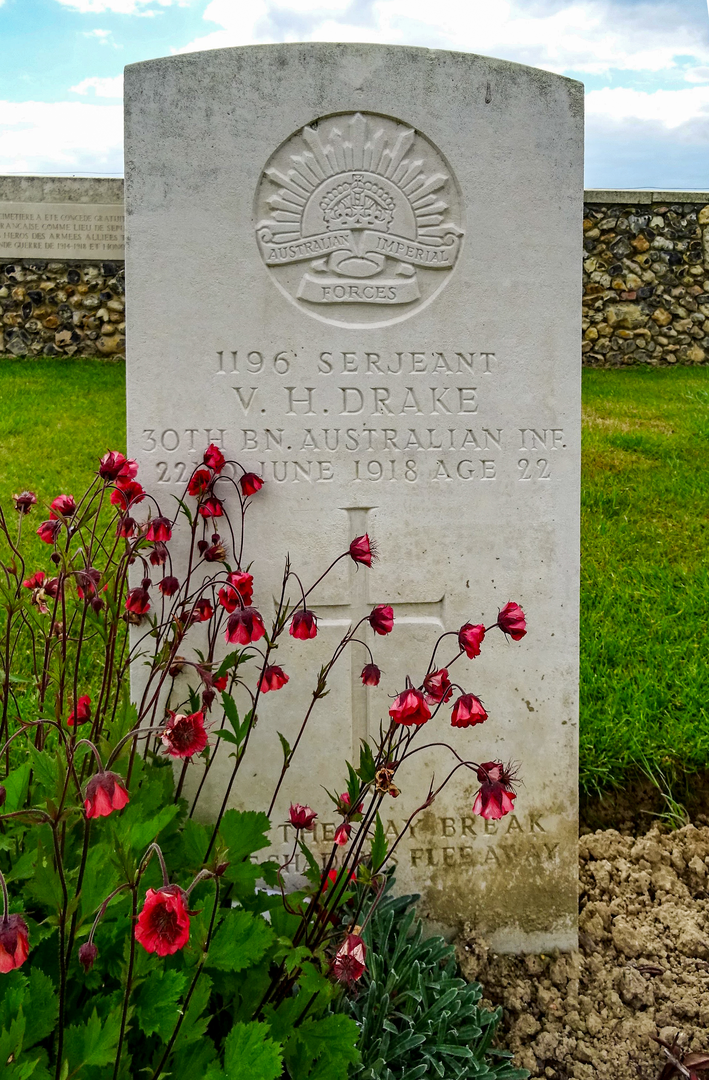
His headstone bears the inscription chosen by his family:
“UNTIL THE DAY BREAK AND THE SHADOWS FLEE AWAY.”
Vernon received the 1914-15 Star Medal, the British War Medal, the Victory Medal, a Memorial Plaque and a Memorial Scroll. At home, Vernon was honoured with a tree planted in his memory at the opening of the Soldiers’ Memorial Avenue on the Hobart Domain in August 1918. His name was also inscribed on the New Town State School Honour Board, the Hobart Town Hall Roll of Honour, and the Australian War Memorial Roll of Honour in Canberra.
A Family’s grief
For Vernon’s mother Annie, 1918 brought unbearable grief, within eight months she lost of two of her sons and then her husband. Ernest, Vernon’s elder brother, was aboard the Boorara was killed serving as a fireman in the British Mercantile Marine when it was torpedoed while in the English Channel on 20 March 1918. Ernest was 34. Then, news of Vernon’s death at Morlancourt reached Hobart in July 1918. Last, Samuel, the patriarch of the family, died on 11 November 1918, aged 66. On top of all of this, her eldest son, a sailor, had died from yellow fever in 1908. In September 1918, the Mercury published the family’s tribute to Vernon:
“DRAKE — Killed in action, ‘somewhere in France,’ 22nd June, Sergt. Vernon H. Drake, 30th Battalion, A.I.F., aged 23 years, dearly loved youngest son of Samuel and Annie Drake, of 18 Pirie-street, New Town.”
A year later, Annie and her daughters placed a notice for both sons:
“DRAKE.—In loving memory of Sergt. Vernon Hepburn Drake, 30th Batt., A.I.F., killed in action at Morlancourt, France, June 22, 1918; also of Ernest Drake, killed on s.s. Boorara transport, March 20, 1918. Inserted by their mother and sisters.”
The Drake family and the three Tasmanian mates who had set out together paid a heavy price for the war. Some returned carrying its wounds for the rest of their lives; others, including Vernon, never came home.
Links to Official Records
The Fromelles Association would love to hear from you

Contacts
(Contact: carla@fromelles.info or geoffrey@fromelles.info).
(Contact: army.uwc@defence.gov.au or phone 1800 019 090).
Donations
If you are able, please contribute to the upkeep of this resource.
(Contact: bill@fromelles.info ).