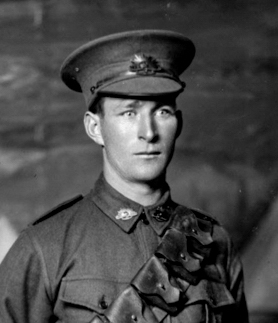
William Charles BARRY
Eyes grey, Hair dark brown, Complexion fresh
William Charles Barry – “Playing the Game”
With thanks - A large portion of this story is from his own words in the Personal Diary of William Charles Barry, AWM, https://www.awm.gov.au/collection/C321313
Early Life
William Charles Barry, known as Will, was born in September 1883 in Collingwood, Victoria, Australia, the second son of Walter Barry and Eliza Gardner. His parents had arrived in Melbourne in December 1870 aboard the Ninevah and raised a large family. Will grew up alongside his many siblings, six sisters and two older brothers:
- Eliza Jane (1871–1947)
- Ernest Henry (1873–1939)
- Alice Maud (1875–1952)
- Walter James (1877–1882) died before Will was born
- William Charles (1883-1954)
- Florence Harriett (1885–1957)
- Ruby Lily May (1890–1971)
- Rose Violet Mildred (1893–1980)
- Victoria Olive (1897– )
Will spent his childhood and early adult years in Melbourne’s inner suburbs. At the time of his enlistment, Will was aged 32 and living with his parents at 16 Raleigh Street, Northcote, Victoria. His youngest sisters were still part of the household.

By his early thirties, he was working as a gasfitter with the Metropolitan Gas Company, a steady and skilled trade. His diary entries suggest a man who was confident, practical and used to hard work.
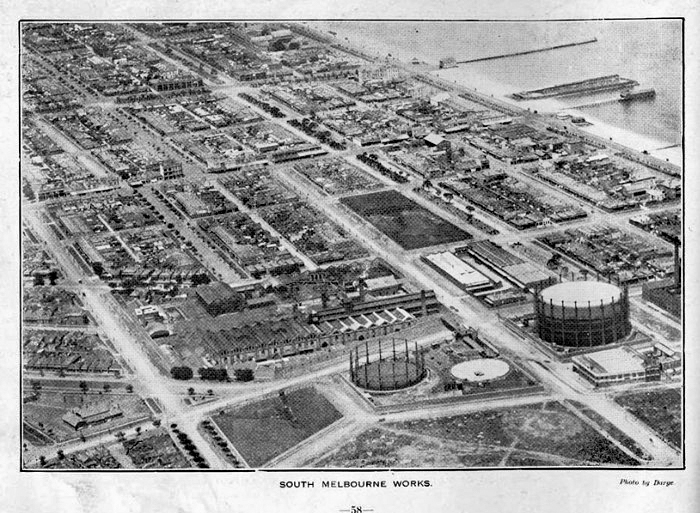
He was a member of the Gas Company Rifle Club, demonstrating his interest in marksmanship and camaraderie and civic engagement. Will was known among friends for his dry humour and independent spirit. His writing hints at a life filled with mateship, quick jokes and strong community ties – qualities that shaped the soldier he would become. In March 1916, just before embarking for the war, his colleagues honoured him:
“William Barry …second son of Mr. and Mrs. Barry, Raleigh Street, Northcote, embarked for the front this week. He was in the employment of the Metropolitan Gas Coy. His fellow employees presented him with a handsome wristlet watch. He was also a member of the Gas Coy's Rifle Club, who gave him a gold Australia mounted on a gold boomerang.
Off to War
When war broke out in 1914, Will watched as the first waves of young men enlisted. By mid-1915, after Gallipoli’s heavy casualties, he decided to join them. As he wrote in his memoir:
“The year 1915 is one that shall live forever in Australian History, as it recalls the landing of the Australian Forces on Gallipoli and the record number of recruits who volunteered to fight for King and Country.”
On 24 July 1915, Will enlisted at Victoria Barracks in Melbourne. His diary captures his humour and candid impressions:
“The last Saturday in July, I was to be found at the Victoria Barracks… stripped of all clothing, waiting to be examined by the Medical Officer… I politely told the Sergeant Major that it was no good to the firm, and I would call in during the week. So I cleared off and enjoyed myself that night, in case I would not have the chance of doing so again.”
This glimpse suggests Will enjoyed Melbourne’s social life, pubs and friends, valuing freedom and moments of enjoyment before the restrictions of army life. Training commenced at Royal Park Camp. Will disliked drill, “Forming fours, right turn by numbers and saluting by numbers nearly drove me silly.” He was able to find ways to avoid it, working in the Quartermaster’s stores issuing clothing and later as a batman to officers, which brought extra leave passes. He remembered early morning routine:
“At 6.30am every man had to fall in… then we were put through a course of physical drill, better known in the Army as physical jerks. At times it was very funny to see some of the old birds (as they call the men over forty) playing leapfrog or racing one hundred yards.”
When his battalion moved to Broadmeadows in March 1916, Will managed to ride with the baggage wagon instead of marching, stopping at nearly every hotel along the way with his mates for “just a taste” before reporting to camp.`
Egypt
On 14 March 1916, Will embarked from Melbourne aboard HMAT A68 Anchises as part of the 4th Reinforcements to the 29th Battalion. He described his departure, with thoughts that must have gone through all the soldiers’ minds:
“Casting off – it is not necessary for me to relate how I felt when the boat began to move off. Of course I wondered to myself, amid the loud cheering, how many of us would be spared to come home again.”
Life aboard was crowded and hot, “To anyone who has never been on a troop ship let me say, to my idea it is like a cattle boat, for the men are herded together like so many cattle… At night the heat was unbearable.” In Colombo, Will and two mates slipped away from parade, spending the day sightseeing, drinking, and staying overnight in a local hotel. A thief tried to steal his wallet while he slept, but he woke in time to foil the attempt.
Returning late to the ship, they were fined three shillings each – which he considered worth every penny for the adventure. “We were a happy trio… One of us had a bunch of bananas, another a bag of coconuts and the third chap had a monkey.” “It was worth it for the joy we had ashore.”
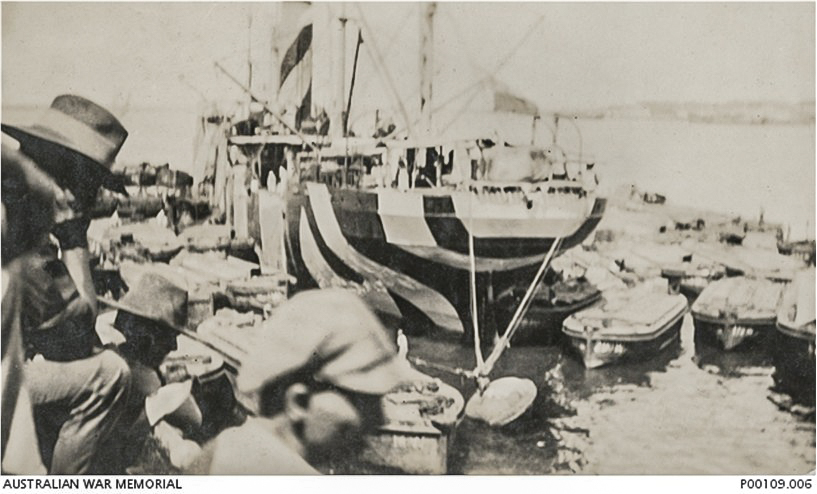
They sailed through the Red Sea and Suez Canal, arriving in Egypt in April 1916, ready for the next chapter of his war. Will and his fellow reinforcements disembarked into the heat and dust of Tel-el-Kebir camp. He described it vividly:
“There is very little to see at this place. The true African Desert, nearly all the place was sand… covered with tents… On the opposite side… there was a freshwater canal and the natives were using the land for cultivation under irrigation and the country was a perfect picture.”
Training resumed immediately. Will loathed drill and route marches under the blazing sun. Ever resourceful, he sought ways to avoid them. His solution? Becoming a cook:
“Now all that I know about cooking was not very much… but I could not see myself carrying my pack and tramping down the sand under that four eyed, lop-eared Sergeant Major, if it was possible for me to dodge it.”
Despite his humorous tone, Will also noticed the dignity and resilience of local Egyptian farmers, admiring their irrigation skills and donkey-drawn ploughs that kept narrow strips of land fertile against the desert’s encroachment. After several weeks, Will left cookhouse duties and formally joined his battalion at Ferry Post, a small defensive position near the Suez Canal.
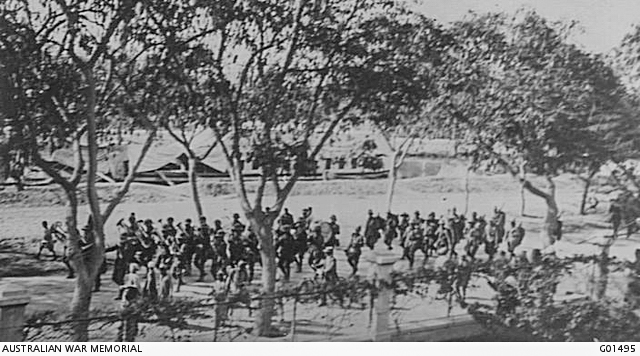
Training continued, acclimatising to the harsh desert environment while preparing for their move to France.
France, and into the trenches
In June 1916, after months in Egypt, Will and the 29th Battalion boarded ships at Alexandria, bound for France. For many of the men, it was their first time leaving the heat and dust of the desert for the cool, green landscapes of Europe. Will recorded his impressions as they steamed into Marseilles:
“The scenery was something worth seeing… after passing through miles and miles of sand in Egypt, it was a treat to see green grass and crops growing.”
From Marseilles, the men travelled north by train in crowded cattle trucks marked “Hommes 40, Chevaux 8” – “40 men or 8 horses.” The journey took several days, and while uncomfortable, Will was captivated by the views:
“As we passed through the French countryside, the green fields, villages with red-tiled roofs, and vineyards rolling across the hills were a grand sight after the bare sands of Egypt.”
They received a warm welcome as they passed through towns like Lyons, with locals cheering, singing the Marseillaise, and showering them with fruit and chocolate. Eventually, they disembarked at Morbecque in pouring rain and were billeted in barns and farmhouses:
“It was a good idea putting the men in these billets, as they were much warmer and cleaner than tents and we had more room to move about.”
The contrast with Egypt was immediate - stone farmhouses instead of tents, rain and mud instead of sand and lush green crops growing right up to the trenches. Will noticed the local civilians – mainly women, old men, and children – tending crops despite the distant rumble of artillery. The battalion moved from Erquinghem to Fleurbaix, entering the trenches opposite the German lines and began to apply their trench routines – sentry duty, wiring parties, and carrying rations up duckboarded communication trenches under the watchful eyes of German snipers. Will described their first days in the line:
“We had our first experience of Fritz’s shells while we were marching up to the firing line. A shell burst about twenty yards from where I was, wounding two men in the company… It was here that I saw my first dead Australians, killed by shrapnel fire.”
The trenches were miserable, with mud knee-deep in places and rats running along duckboards. Still, the men remained in good spirits, comforted by hot tea brewed over small trench fires and cigarettes from home. At night, flares lit up No Man’s Land while machine guns rattled across the darkness. By day, they kept their heads down to avoid German snipers. Will wrote:
“One chap who forgot to duck his head soon after daylight got a bullet through his tin hat, grazing his scalp. He was a lucky fellow that time.”
Despite the ever-present danger, Will admired the resilience of the men around him. Experienced soldiers warned them, “Keep your heads down, and don’t take unnecessary risks.”
Battle of Fromelles
In mid-July, orders came that the 5th Division would take part in an attack. The Australians were to assault the German trenches near Fromelles, aiming to divert enemy reserves from the Somme offensive further south.
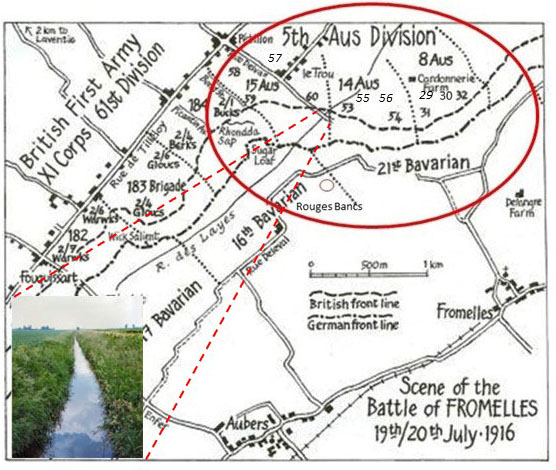
The 8th Brigade’s position was on the extreme left flank, with only 100 metres of No Man’s Land to get to the German trenches. The 31st and 32nd would be the lead attacking Battalions. As they advanced, they were to link up with the 31st Battalion on their right, but also holding their left flank safe. The 29th’s role was to be a ‘fourth’ battalion on the 8th Brigade’s attack. With the 30th, they were to provide support for the attacking 31st and 32nd Battalions by digging trenches, carrying supplies/ammunition and to be called in as reserves if needed for the fighting.
The original attack was planned for the 17th, but bad weather caused it to be postponed. On 19 July the 29th were in the rear trenches, ready for the attack. Will’s day had begun with fatigue duties and he and his mate Syd were frying eggs and drinking coffee, but their meal was cut short by orders to “fall in.” Will noted that he had been given four bombs (i.e. grenades) to carry, plus picks, shovels, extra ammunition, and bandoliers to carry for the 29th supporting role in the battle. Artillery from both sides began before noon.
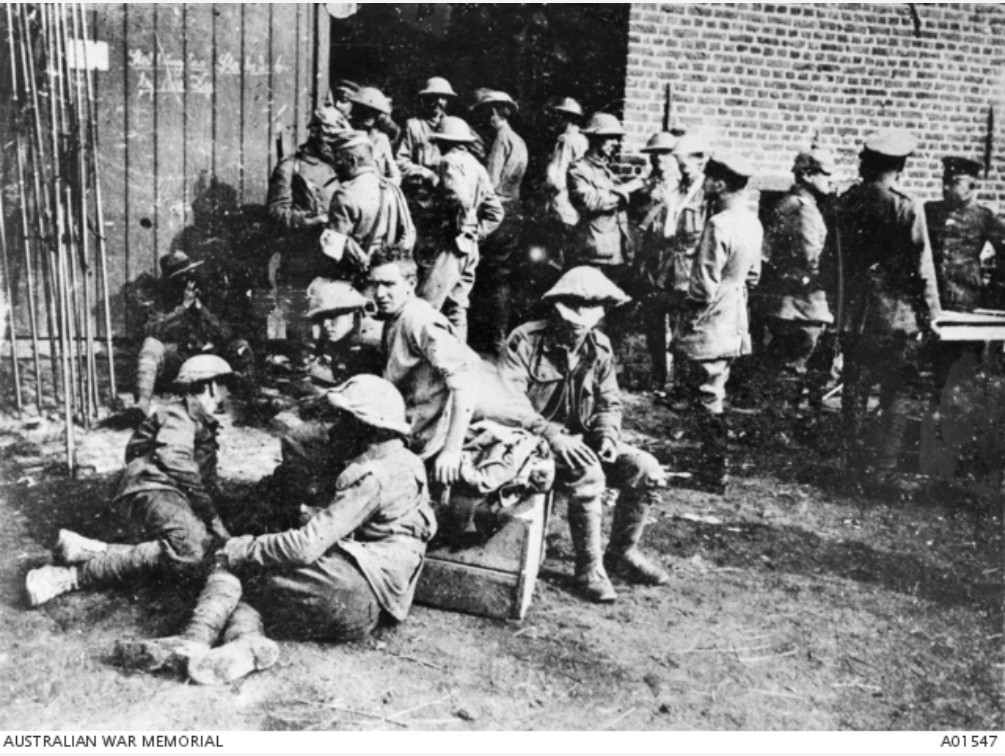
Will’s company had moved forward to a small farmhouse where they watched Australian troops escorting German prisoners. As they advanced, they saw wagon after wagon bringing back wounded men, many bleeding and groaning from their injuries. The Zero Hour for advancing from their front-line trenches was to be 5.45 PM, but the Germans knew this attack was coming and were well-prepared. They opened a massive artillery bombardment on the Australians at 5.15 PM, causing chaos and many casualties. The 32nd’s charge over the parapet began at 5.53 PM and the 31st’s at 5.58 PM.
There were machine guns emplacements to their left and directly ahead at Delrangre Farm and there was heavy artillery fire in No-Man’s-Land. The initial assaults were successful and by 6.30 PM the Aussies were in control of the German’s 1st line system, which was described as “practically a ditch with from 1 to 2 feet of mud and slush at the bottom”.
Source - AWM4 23/49/12, 32nd Battalion War Diaries, July 1916, page 11
With the 31st and 32nd into the battle, the order came for the 29th to go over the top as darkness fell. The first half of Will’s company crossed No Man’s Land under heavy fire and Will’s party soon followed:
“All of a sudden Fritz opened a terrific bombardment on us… I was in ‘no man’s land’, near the German parapet when a lad in my platoon came up and asked me to show him the way across the wires as he was wounded in the head and bleeding freely.”
Throughout the night, Will risked his life repeatedly, handing out bombs and ammunition, then returning for more. Another young soldier with a shattered arm asked for a Red Cross man, but Will saw none. The German artillery fire was “hellish,” he wrote, killing men like flies. Around 10.00 PM, Will moved position into the German trench – a decision that nearly cost him his life:
“No sooner was I there, when a shell struck the top of the parapet with a terrific explosion… Two boys standing alongside of me started to cry for their mother and I told them to cut that out, but pray to God to get them out of this hole.”
Seconds later, another shell exploded above his head. Everything went black. When he awoke, his life as a soldier had changed forever. By dawn on 20 July 1916, the full horror of the failed attack was clear. As with all of the Australians, Will’s 29th Battalion suffered heavy casualties. For a battalion supposed to be in a support role, the initial figures of the impact of the battle on the 29th were 17 soldiers killed, 161 wounded and 68 missing, including Will. For Will, the price was severe wounds to both legs, capture by the enemy and a journey that would lead to months in hospital and the amputation of his leg.
Capture - Stranded among the dead
At dawn on 20 July 1916, after a night of chaos, bombardment, and confusion, Will regained consciousness amidst shattered earth and fallen comrades. German soldiers surrounded him, speaking rapidly and prodding his body to check if he was alive. Will wrote:
“My first thought was to speak to them, but my second one was to lay still and sham dead, which proved in my case the better plan.”
A German lifted his leg and let it drop, testing if it was broken. Will feigned unconsciousness and they left him alone. Hours later, as daylight strengthened, he woke again to the horror of his situation. The German counterattack had succeeded; their trenches had been retaken, and Will, severely wounded with a gaping wound in his right knee and another in his calf, lay stranded among the dead. Soon, another German patrol arrived.
This time, an officer who spoke English crouched beside him. Using scissors, the officer cut open Will’s trousers, then bandaged his wounds carefully with both Will’s field dressing and his own before interrogating him. The officer asked why Australians were in France when Germany was not at war with Australia. Will answered simply:
“An Australian stood by an Englishman always.”
When questioned about Australian troop numbers, he replied with typical dry humour:
“Between three and five million… and then the conscripts were to be called out.”
The German officer was shocked by the lie and sneered:
“You Australians are b—— cowards. We are not at war with you, but you came over here last night and went through here (he mimicked a bayonet thrust), while we always fight a long way off.”
Denied further medical care – “We have too many of our own wounded to look after,” the officer barked – Will was left in the trench, defenceless. Soon after, two German soldiers robbed him of his wallet, pay book, and money before roughly dragging him by his arms and legs along the trench. Each time they halted, passing German troops kicked him or smashed him with rifle butts. At one halt, a soldier picked up a six-foot plank and beat his legs with it until he howled in agony. Finally, after hours of brutal treatment, Will was handed over to two German Red Cross orderlies.
They gave him a piece of black bread, a tin of bully beef, and black coffee, wrapping him in a blood-soaked German military coat for warmth. Looking around, he realised with horror that he lay beside a mass grave:
“All the dead men were being stacked. Friend and foe being treated alike… it was pitiful to see the different expressions on their faces, some with a peaceful smile while others showed they had passed away in agony.”
After two hours among the dead, he was lifted onto a stretcher and carried to a dressing station. Though tagged as a wounded prisoner, his real ordeal was only just beginning.
Will was able to write a letter to his mother, which is dated 23 July 1916. However, given his later statements about his condition and treatment by the Germans, it was obviously subject to review by his captors and was probably not sent until mid-October. At least he could convey that he had not been killed in the battle, a blessing that many mothers never received.
`“Dear Mother,I am prisoner of war & have been wounded slightly on lower parts of both legs.
Am in hospital & being treated well. Will send my postal address later on.
Don’t worry.Your loving son,Will.”`
Source: NAA Service Record – William Charles Barry, p 17
Prisoner of War
From the dressing station, Will was loaded onto a horse-drawn ambulance and driven over rough cobblestone roads to Lille - “I shall never forget that ride… the jolting caused me awful pain.”
Source - William Barry Diary, https://www.awm.gov.au/collection/C321313
At Lille railway station, he was laid on a stretcher in the waiting room for two days, given only a bowl of thin soup and a slice of black bread. When he tried to open a tin of bully beef he had saved, a German sentry confiscated it and ate it in front of him. His wounds remained undressed and his thirst grew unbearable. From Lille, Will was transferred by Red Cross train to Valenciennes, carried by Russian prisoners on a stretcher into a former boarding school turned hospital.
Here, German doctors removed his bandages, revealing the extent of his injuries - a shattered right knee, a deep wound in his right calf and another in his big toe. A German officer interrogated him as he lay on the operating table:
When asked if he regretted enlisting, Will replied “No.” The officer sneered - “Well, you have come a long way to get your knee blown off.”
Despite occasional dressing changes and injections of morphia to dull his pain, Will’s health deteriorated rapidly. He developed a raging fever, grew delirious, and bedsores spread across his back. One German orderly twisted his injured leg cruelly, forcing Will to sing songs for his amusement. Another stole his false teeth and his diary. By September 1916, he was transported by Red Cross train deeper into Germany.
For three and a half days, he travelled through the Rhine Valley, noticing its beauty even in his suffering. Finally, he arrived at Kempton (Kempten) Lazarette hospital in Bavaria, 130 km southeast of Munich. Here, a professor who acted as censor informed him he could send only postcards weekly and two letters monthly, heavily censored. At Kempton, food was rationed by ‘Kost’ level. Will, severely ill, was placed on No. 2 Kost - six ounces of white bread daily, a plate of boiled ham, two cups of fresh milk, and a pint of wine. He could barely eat and suffered greatly from six open bedsores.
Gangrene set into his shattered knee, and on 25 October 1916, his right leg was amputated to save his life. Will recalled:
“The doctor did not think I was going to pull through… but soon after the operation I began to recover.”
Weeks later, he attempted to stand with crutches but fell, splitting open his stitches and requiring further surgery. Slowly, he regained strength, helped by massages on his remaining leg. One morning, he walked with two mates down the ward to play cards, startling the Lutheran pastor who arrived to find his bed empty. In December 1916, he describes a great commotion throughout the building as everyone prepared for visit from General von Hindenburg. Around 11.00 AM, the General entered his ward accompanied by an orderly who called out “Octoon” (Attention). Hindenburg waved for the men to sit down and spoke to each of them individually:
When he reached Will’s bed, he said (in English) -
“I see young man that you have had the misfortune to lose your leg.”
Will replied -
“Yes, but it is all in the game.”
Hindenburg responded -
“This war is awful for everybody who is concerned in it.”
By early 1917, Will had recovered sufficiently to begin moving about on crutches. He described his daily routine in the hospital ward – meals of watery soup, black bread, and occasional meat, with generous gifts from the Red Cross parcels that arrived from England and Australia. These parcels included tinned foods, chocolate, and cigarettes, which became valuable barter among prisoners. He wrote of the kindness of Schwester Franka, his matron nurse, who often smuggled him extra bread under her apron to keep him from going hungry. During this time, he received his first letters from home since his capture – nine letters arriving in one bundle – lifting his spirits immensely.
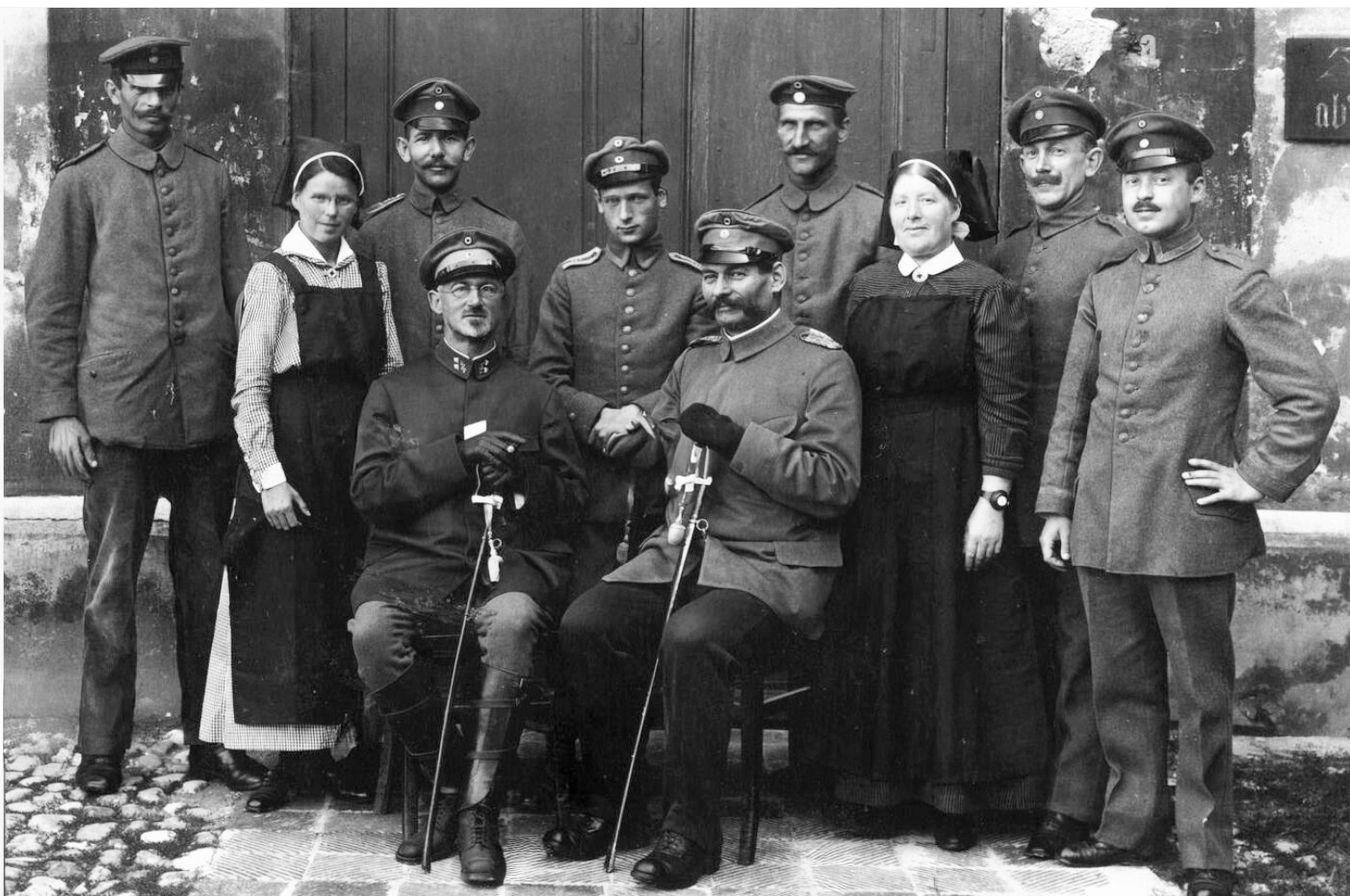
Could one of the nurses have been the one who helped Will?
Will also witnessed German Christmas celebrations in December 1917, where hospital wards were decorated with tinsel and fir trees. Although prisoners were not permitted to join the German invalids’ banquet, the staff gave each POW roast stuffed venison with potatoes and cabbage, apples, small cakes, and extra beer rations. He described it as a small moment of warmth in an otherwise grim captivity. In 1918, as his health stabilised, Will was transferred to Langensalza prisoner of war camp in Saxony, a holding camp for disabled and amputee prisoners awaiting repatriation. The journey there by crowded train was arduous. On arrival, he found conditions basic but tolerable compared to his hospital experiences.
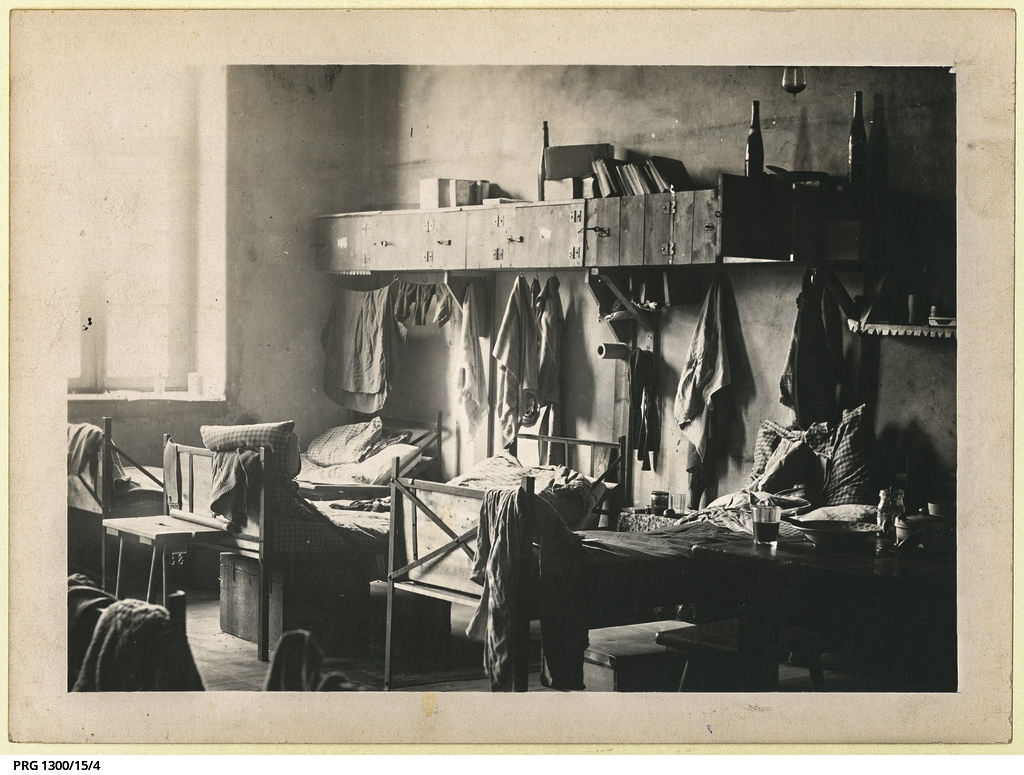
At Langensalza, he spent his days talking with other Australian, British, and French prisoners, reading well-worn books from the camp library, and watching Russian prisoners perform menial labour under harsh guards. Food was poor – mostly thin soups and black bread – but Red Cross parcels continued to arrive, providing relief from starvation rations. By late 1917 and into 1918, prisoner exchanges began for the most severely wounded. Will was eventually placed on a repatriation list and travelled by train to Switzerland, where neutral authorities arranged for his return to England. He wrote with emotion of crossing into neutral territory, seeing the Red Cross flags and realising freedom was near. After arriving in England post-repatriation, Will was sent to Roehampton Hospital to be fitted with an artificial leg.
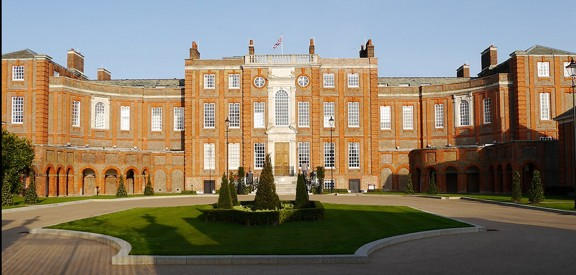

While there, he and other amputee soldiers were invited to visit Windsor Castle. They travelled in motor ambulances to the royal grounds and were taken on a tour by an officer, viewing the grand halls and artworks. Will recounted:
“When we entered the picture gallery, I asked the officer if King George owned all the paintings. ‘Yes,’ he replied. I said, ‘Fancy having all these pictures when there are thousands of us without a leg between us!’ The officer just looked at me and smiled.”
He described the banquet provided for them afterwards with white-jacketed waiters, silver cutlery, and abundant food, a stark contrast to POW rations - “It was the best feed I had had for two years.” On 11 January 1918, Will arrived back in Australia aboard the Karoola. He was greeted as a hero, though he returned missing his leg, weakened from captivity, and forever changed by what he had endured. Yet his diaries showed no bitterness – only a wry humour, gratitude to those who cared for him, and quiet pride in having done his duty.
Returning Home
When Will finally returned, he described the voyage home and arrival:
“It was a glorious sight to see Melbourne as we steamed up the Bay. We landed at Port Melbourne Pier. The people gave us a great welcome and cheered us all along the way. But I felt a bit out of place hobbling along on one leg when everyone was cheering – I felt I did nothing heroic. I was just glad to be home.”
When the troopship docked, newspapers recorded his return as a wounded Fromelles veteran, prisoner of war and local identity. His parents and siblings greeted him at the wharf, relieved to see him home after nearly two years of silence, fear, and brief censored postcards. In the years that followed, Will shared his experiences with local groups, including the Red Cross and Northcote Council, expressing deep gratitude for the parcels and support that had sustained him through captivity:
“The comforts we received from the Red Cross while in the prison camps were our absolute salvation.”
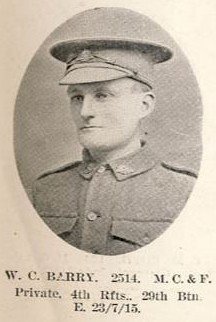
For Will, returning home meant starting life again – with gratitude to be back on Australian soil among family and friends who loved him. On 19 April 1918, Will underwent surgery to remove a painful nerve from his stump. However, he was never free of pain for the rest of his life and suffered greatly from phantom pains. He was finally discharged from the AIF on 14 August 1918.
The Australian government provided support to veterans who lost limbs during World War I through various means. They established a war pension scheme in 1914 to assist wounded veterans and their families. In 1918, the Repatriation Department was created to help returned veterans resettle in the Australian community. The department introduced programs to assist veterans develop their vocational skills and find jobs, and supported their independence through pensions and loans. Medical services were also provided to meet the extensive and varied needs of veterans and financial assistance for their dependants.
Dept of Veterans Affairs. Creating the new department was assigned to Senator Edward Millen who had been Defence Minister at the outbreak of war and believed repatriation was ‘an emanation of the heart … worthy of the last shilling’.
In 1920, Will married Elsie May Andersen. They settled in Croxton, near Northcote, Victoria, where Will had lived before the war. Together they raised three children: Joan, Walter, and Betty. Before enlistment, Will had worked for the Metropolitan Gas Company. As guaranteed on his enlistment, he was re-employed after returning home, though no longer able to continue in his trade role. Instead, he worked in a clerical position, continuing until his retirement at age 65 on 22 September 1948. Will became active in local veterans’ organisations and community groups - often invited to speak at RSL gatherings and Red Cross events. In these talks, he spoke with dignity about the horror, courage, and deep friendships of war, always acknowledging the vital work of the Red Cross in sustaining prisoners like him.
Will became an active member of the R.S.L., later transferring to the Limbless Soldiers Association. Will passed away on 24 April 1957, aged 73, and was buried at Fawkner Memorial Park, Victoria. His beloved wife Elsie died in 1954, just three years before him. Will died on 7 February 1954, aged 70, and is commemorated at:
- Australian War Memorial Roll of Honour, Canberra
- Northcote Honour Rolls, Victoria
- Metropolitan Gas Company Honour Board
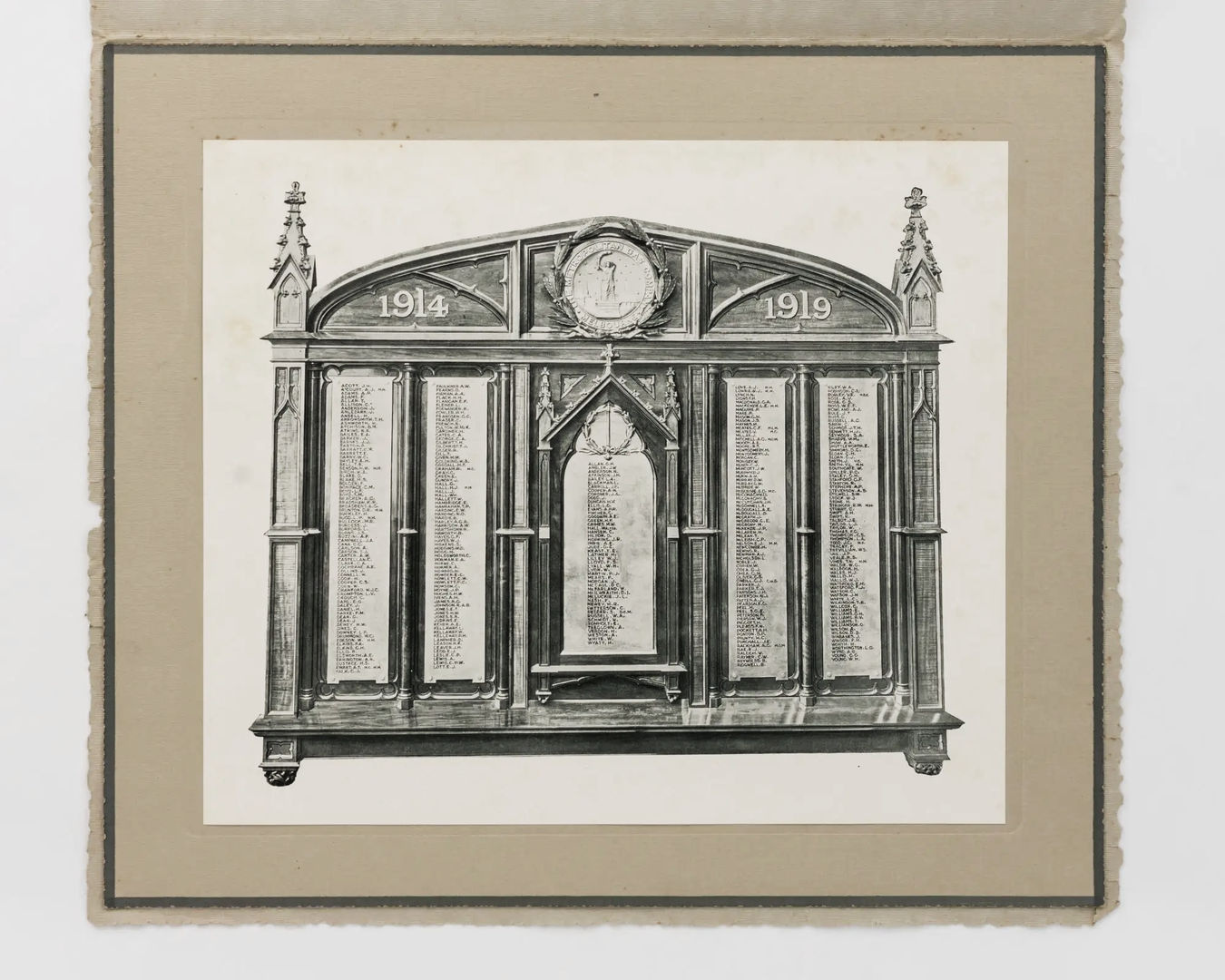
William Charles Barry was a resilient, humorous and quietly courageous man the kind of person who inspired respect, a man who endured suffering with dignity, found strength in faith and family, and carried his experiences with both realism and compassion for others.
The Fromelles Association would love to hear from you

Contacts
(Contact: carla@fromelles.info or geoffrey@fromelles.info).
(Contact: army.uwc@defence.gov.au or phone 1800 019 090).
Donations
If you are able, please contribute to the upkeep of this resource.
(Contact: bill@fromelles.info ).